High-Conflict Co-Parenting
Who Breaks the Tie on School and Medical Decisions
Stuck on a school or medical decision with your co-parent? See how tie-breaker clauses, agreed processes, and judges settle joint custody deadlocks.

Weighs what co-parenting gives children against its costs, including high conflict, safety risks, and the legal and financial burdens.
Best for the Children Editorial·8 min read·November 4, 2025·Updated October 20, 2026
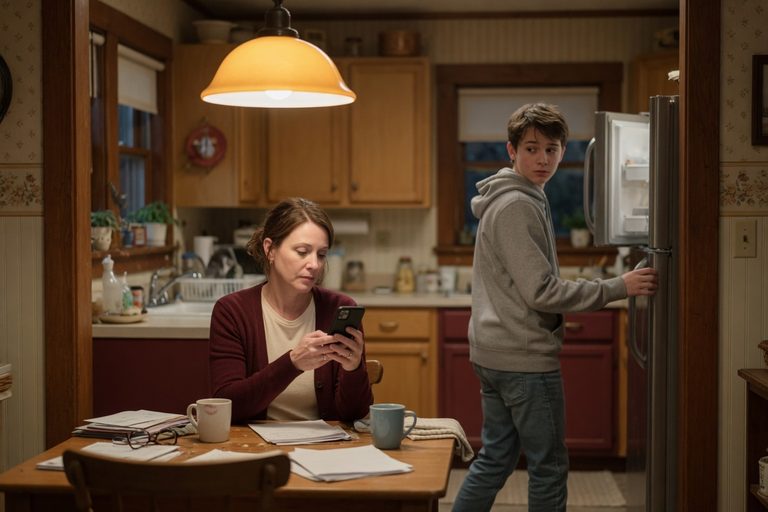
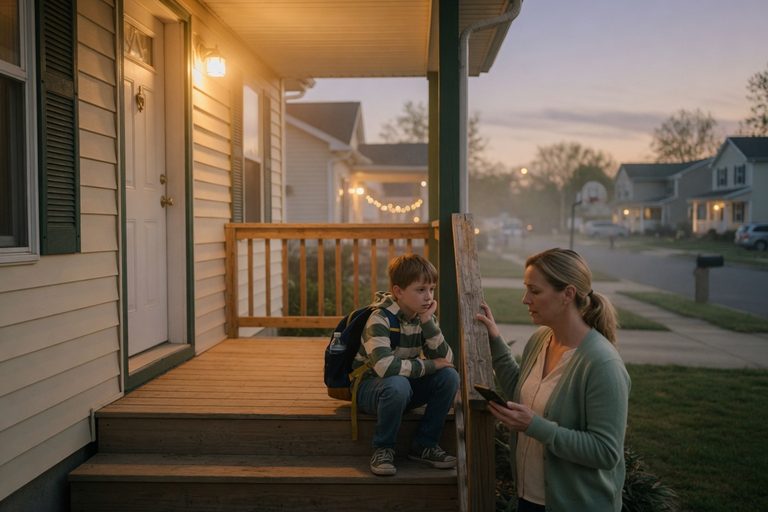
You're in the car outside school, phone in hand, deciding whether to text your ex about the dentist appointment or just handle it yourself. That small choice is what co-parenting looks like day to day. For children, the real benefit isn't the shared calendar. It's that cooperation keeps parental conflict away from them. The real cost comes when the arrangement becomes a channel for hostility, or keeps a child in contact with a parent who isn't safe. Logistics, money, and the law shape both sides.
The American Psychological Association describes co-parenting as an enterprise in which two or more adults share responsibility for raising a child. Nothing in that definition requires the adults to be friends, live nearby, or split time evenly.
The law draws a similar line between deciding and housing. In New York, courts divide custody into two parts:
Either kind can go to one parent or be shared. The vocabulary changes from state to state, and the differences are useful.
In Texas, shared rights are called Joint Managing Conservatorship. It covers decision-making about medical, educational, and psychological matters. It does not require a 50/50 split of time.
Illinois dropped the words "custody" and "visitation" from its statute in 2016. It now speaks of "allocation of parental responsibilities," divided into parenting time and significant decision-making responsibility.
So "co-parenting" can mean equal weeks in two homes. It can just as easily mean one main home plus genuinely shared decisions. Which version you're living with shapes everything that follows.
The strongest argument for co-parenting starts with an uncomfortable fact. The CDC-Kaiser Permanente Adverse Childhood Experiences (ACE) Study counts parental separation or divorce as an adverse childhood experience, grouped under household dysfunction. The separation itself is a stressor your child is already carrying.
What parents can control is the conflict that surrounds it. The CDC's ACE framework stresses reducing conflict between parents as a key buffer against bad outcomes. The APA notes that intense parental conflict and triangulation can cause lasting developmental harm. Triangulation means pulling a child into the middle or pushing them to take sides.
Co-parenting at its best is a way of moving disagreements away from the child. Adults settle the dentist question by text. The child never has to carry messages between houses or pick a side. That is the benefit worth aiming for. Equal time and shared events are tools toward it, not the goal itself.
Lawmakers in several states have moved toward shared arrangements as a starting point:
California takes a different route toward cooperation. When parents in a contested case disagree about custody or visitation, mediation through Family Court Services is mandatory before a contested hearing can go forward.
The same research that makes the case for co-parenting also marks its limits. If conflict and triangulation harm children, then an arrangement that forces constant contact between hostile parents can feed the very thing it is supposed to reduce. More communication helps only when that communication is calm.
Safety is the hardest limit. The law is explicit on this point, even in states that otherwise favor sharing. California Family Code Section 3044 presumes that giving sole or joint custody to a parent who committed domestic violence in the previous five years is harmful to the child. This applies to both legal and physical custody. Kentucky's equal-time presumption can be rebutted by domestic violence findings.
The idea that a child always needs both parents equally involved does not hold when one of them is a danger.
Some costs of co-parenting land on the adults first and reach the children later, through stress, money, and restrictions on moving.
Moving gets harder. The Uniform Child Custody Jurisdiction and Enforcement Act has been adopted by 49 states (every state except Massachusetts), plus the District of Columbia, Guam, and the U.S. Virgin Islands. It gives priority to the child's "home state," where the child has lived for at least six consecutive months. It also keeps continuing jurisdiction with the court that made the order.
The federal Parental Kidnapping Prevention Act of 1980 requires states to honor each other's valid custody orders. It generally bars them from modifying those orders unless the original state lacks or declines jurisdiction. In practice, a parent can't simply relocate and start over in a new court.
Money and time are separate questions. The federal Office of Child Support Services says child support agencies have no legal authority to resolve custody or parenting-time disputes. It treats support and parenting time as legally distinct. One parent cannot withhold the children over missed support payments, and missed visits don't cancel support. Other financial rules apply as well:
Taxes don't split neatly. The IRS generally lets the custodial parent claim the child. That parent can release the child tax credit to the other parent using Form 8332. The Earned Income Credit and Head of Household filing status cannot be transferred, though. Families splitting time often need to agree on this every year.
Many families never formalize any of it. The U.S. Census Bureau counts roughly 13.4 to 13.7 million custodial parents caring for about 22 million children under 21. Only about half have a formal or informal child support agreement.
A co-parenting arrangement that keeps exploding isn't a personal failure. Courts already have options for it.
Indiana's Parenting Time Guidelines include **parallel parenting**, a court-ordered option for high-conflict cases. It deliberately minimizes communication between parents and the child's exposure to their conflict. The court must enter written findings and review the arrangement periodically.
Each parent runs their own household with little coordination. The goal changes from cooperating to staying out of each other's way, which can protect the child better than forced teamwork.
Another option is a parenting coordinator. The Association of Family and Conciliation Courts publishes guidelines for these court-appointed professionals. They help high-conflict parents carry out custody orders and settle ongoing disputes without going back to court each time.
Co-parenting helps children when it does what the research cares about. It keeps conflict between adults, and it keeps the child out of the middle. It hurts when it forces regular contact between parents who can't stay civil, or keeps a child close to a parent who is a danger. The text about the dentist appointment is worth sending if it stays calm. If it never stays calm, a more distant arrangement may serve your child better.
Stuck on a school or medical decision with your co-parent? See how tie-breaker clauses, agreed processes, and judges settle joint custody deadlocks.
What you post today can be read by the other parent, their lawyer, and your child. A plain guide to keeping a custody case off your feed.
Twenty minutes late, then forty. How to handle a chronically late co-parent without turning your child into the waiting room, and when lateness becomes something to document.