
High-Conflict Co-Parenting
When the Other Parent Is Late for Pickup Again
Twenty minutes late, then forty. How to handle a chronically late co-parent without turning your child into the waiting room, and when lateness becomes something to document.
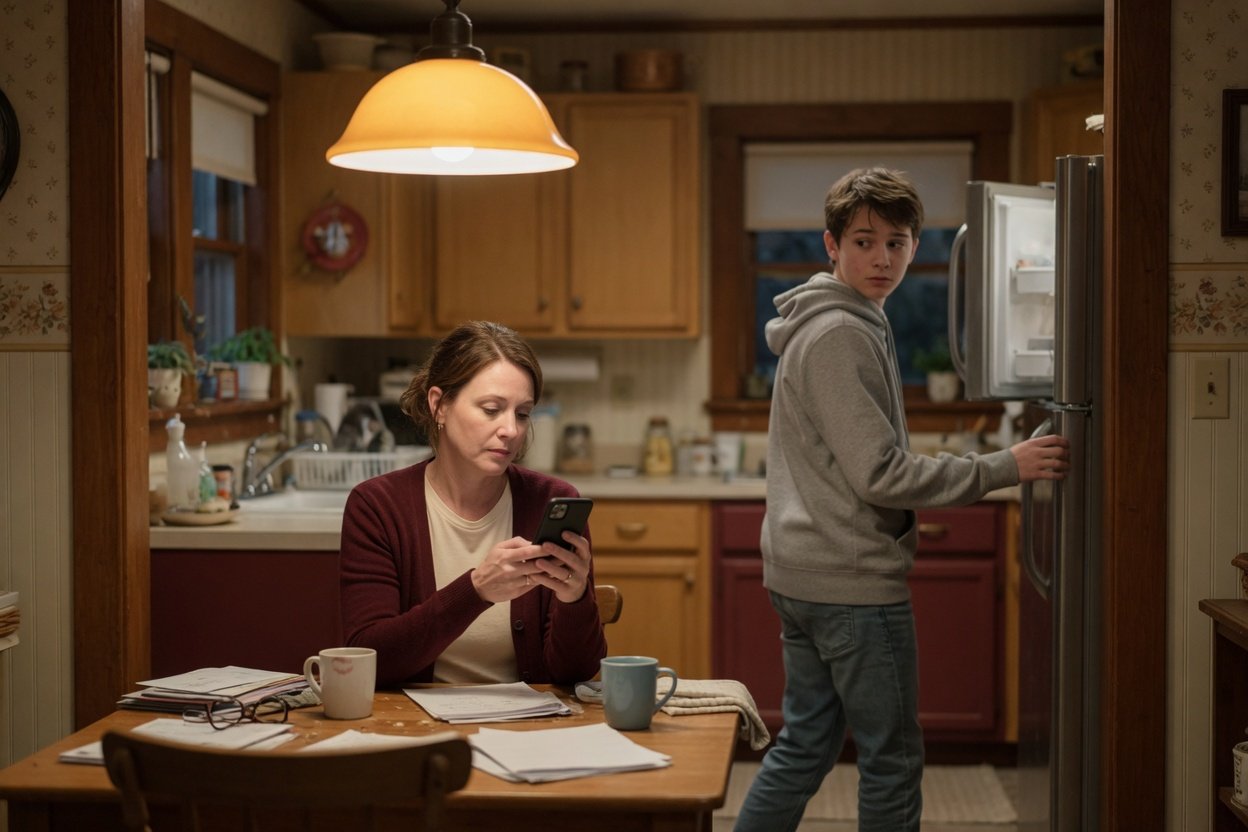
What you post today can be read by the other parent, their lawyer, and your child. A plain guide to keeping a custody case off your feed.
Best for the Children Editorial·4 min read·October 9, 2026
It is late. The other parent has done something that made you furious, and you have a phone in your hand with a blank post box. It would feel so good to say it. Wait. Whatever you type can be read by more people than you think, and one of them may be your child.
Posts, comments, photos, and even things you “only” send to friends can be copied and shown to the other parent, their lawyer, a mediator, or a judge. Privacy settings help, but a screenshot lasts. If you would be uncomfortable reading it aloud in a courtroom, do not post it.
Courts and attorneys do look at social media in family cases. What matters is the child’s well-being, and a parent who trashes the other parent in public often looks like someone who cannot put the child first. See what can be used against you in a custody case.
Children often see their parents’ accounts or see them through friends and relatives. Imagine your nine-year-old, or your fifteen-year-old, reading a post about her other parent. Hurt does not fit in a hashtag. A child who reads that a parent is “toxic” or “a liar” does not read it as a verdict on the parent. She reads it as a verdict on half of herself.
Do not name the other parent in anger. Do not post about the case, the hearing, the order, or the child’s schedule. Do not share photos of the child in a way that shows where she goes to school or when she is alone. Do not post the other parent’s new partner. Do not post pictures that make you look like you are winning a party while your child is in tears.
Also be careful with “vague-posting,” the kind of post that is not named but everyone knows who it is about. It counts.
Ordinary family life is fine: a birthday cake, a hike, a haircut. Posts that show a child’s happy day at your house do not need to be hidden. If you would like the other parent to see the photo, send it directly. “She lost a tooth today” is warm and takes five seconds.
It is very hard to see a post that makes you look bad. Do not respond in the comments. Take a screenshot with the date and the account name, save it, and keep it in your records. How to keep a custody journal can help you note it without fuming about it. Then stop. Do not reply with a counter-post.
If the posts are threatening, or share things that could put your child in danger, that is a different matter. Talk to an attorney about how to raise it with the court.
If your child has a phone or accounts, talk to her about what she posts and what she sees. Should you give your child a phone when they live in two homes covers the ground rules for kids. Do not ask her to spy on the other parent’s page. Do not use her account to watch the other home.
Post about happy things, not the fight. Message the other parent directly, and keep it short. Send the case to your lawyer, your therapist, or a trusted friend on the phone, not the timeline. If you are angry, wait a day. If you are still angry, wait another day. Nobody ever regretted not posting.
For scripts that keep messages brief and calm, see 40 ready-to-use co-parenting text and email scripts. If the other parent keeps escalating in public, parallel parenting can help you limit the contact that turns into posts.
This is educational information, not legal advice. What a court may do with social media posts depends on your state and your judge. If a post or an order is already an issue, ask a licensed attorney where you live.
This site is not a law firm and this is not legal advice. Your child is going to grow up and read what you wrote. Write something she will be glad to find.
Twenty minutes late, then forty. How to handle a chronically late co-parent without turning your child into the waiting room, and when lateness becomes something to document.
When a co-parent quizzes your child after every visit: the difference between care and building a case, what to do instead, and moving adult questions to an adult channel.
Notes in the backpack and ‘tell your dad’ are adult work. How to move logistics off the child without starting another fight.