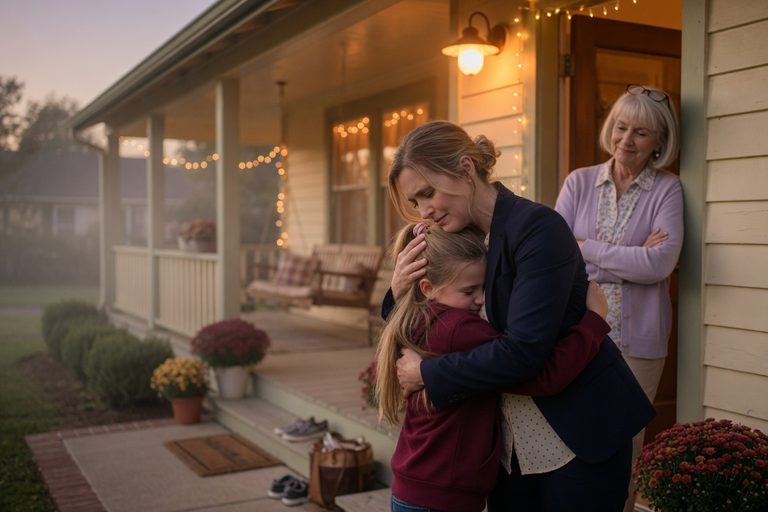
Custody Battles: Understanding the Factors That Influence a Judge’s Decision
When parents cannot reach an agreement, the court steps in to decide what is best for the child. Judges do not pick winners and losers based on who argues
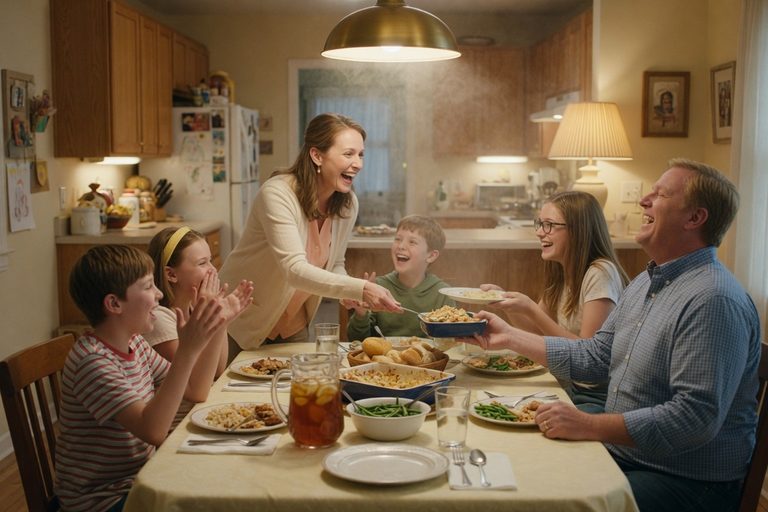
Creating a schedule for a blended family is not just about dividing time between two households. It is about weaving together multiple homes, step-parents,
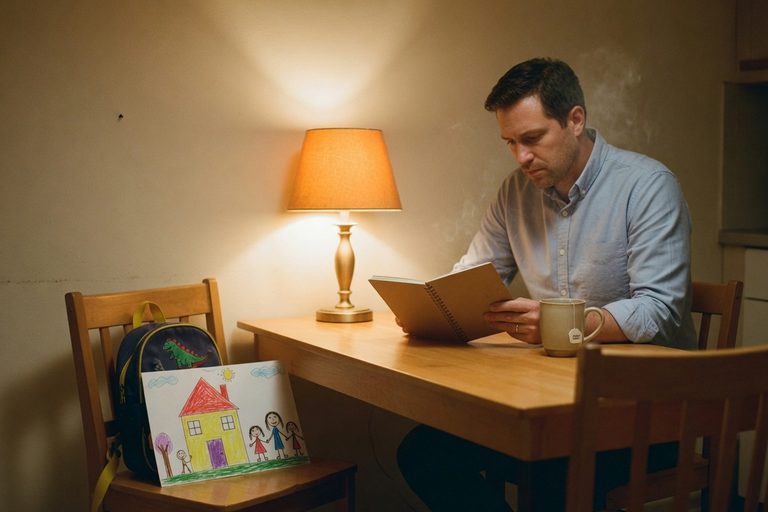
A custody journal is one of the most effective ways to demonstrate to the court that you are consistently putting your child's best interests first. Judges
When one parent has traits of sociopathy or narcissism, traditional co-parenting is often impossible. The other parent is left managing constant manipulation,
Children experience separation and the transition to two homes differently depending on their age and developmental stage. What helps a toddler feel secure is
Effective co-parenting communication focuses on the child's needs, remains factual, and creates a clear record. When direct conversation is difficult or
The house is too quiet. Their shoes are not by the door. You check the clock like it is a court date. Missing your child during the other parent’s time is
Sometimes both parents show up, talk for hours, and still walk out without a signed plan. That is not a personal failure and it is not a signal to put the
Notes in the backpack and ‘tell your dad’ are adult work. How to move logistics off the child without starting another fight.
Separate rooms, a mediator walking between you, a written plan the child can live with. For families who cannot share a table.
Settle the child’s week first — school, doctors, bedtime, holidays, how you will talk — before you fight over legal labels.
Two homes, almost no direct contact, a written schedule the child can count on. For families where teamwork between the adults is not safe or possible.