Parenting Time & Schedules
Can the other parent walk the block with you?
Learn when you can join the other parent's Halloween walk, how state orders assign the holiday, and how to plan a calm, safe shared night.
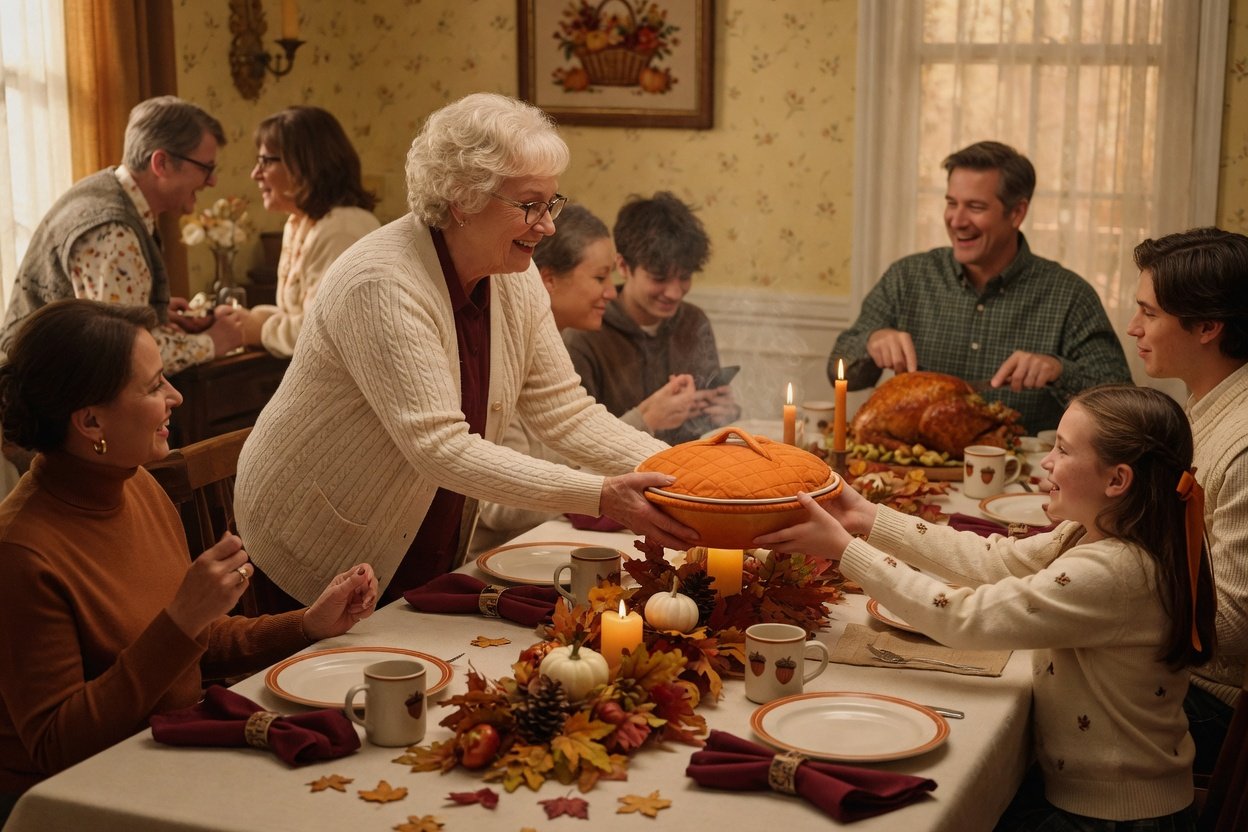
Thanksgiving is on November 26 this year. The families who have a good day usually settled it in October. How to plan one holiday across two homes, and what to do if you are on the alone side of it.
Best for the Children Editorial·5 min read·October 14, 2026
Thanksgiving is on November 26 this year. That is six weeks away, and October is the time to sort it out. Not the week before. Not the Tuesday when the message is finally sent. If you wait, the holiday becomes a deadline, and the child hears about it from your tone before she hears the plan.
Holiday schedules often alternate: one parent has Thanksgiving in even years, the other in odd years, and they swap for Christmas or winter break. Some divide the day: one parent has the morning meal, the other the evening. Some give the Wednesday to Friday to one parent and Saturday to Sunday to the other. Look for the words “Thanksgiving,” “Thanksgiving break,” and “holiday” in your plan. See holiday schedules that work for kids in two homes for ways to write these rules so you do not have to argue each year.
If the order is silent, the holiday follows your regular schedule. That can be a hard truth if it means one parent has her for the meal and the other has her for the weekend. Talk about it early and look for a trade.
Send a plain message now: “Thanksgiving is 11/26. What works for you? I can do the meal this year and you take the weekend, or the other way around.” Offer two choices. Ask for an answer by a date. If the other parent agrees, put it on a shared calendar and confirm the details: pickup time, place, who is bringing what.
If you want to swap with a trade, offer something real. “You have Thanksgiving this year, I would like Christmas Eve.” Do not ask for a swap and then refuse anything in return.
If either family is traveling, decide early. Long drives on the holiday can be hard on children, especially with a handoff in the middle. Talk about the route, the times, and the return. Give the other parent the address where the child will be. Right of first refusal in a parenting plan may matter if the child would otherwise be left with a sitter while a parent travels.
Grandparents matter here too. If your child has a favorite dinner with a grandparent, plan it and tell the other parent. Grandparents helping with childcare after separation can help you think about their role without starting a fight.
If your child eats two dinners, that is fine. Let her eat what she wants, and do not judge how much she had at the other house. If she is tired or overwhelmed, let the second one be pie and a movie. What she remembers is that there was a table and someone who was glad she was there.
Do not compete on the meal. A simple day with a calm parent beats a perfect meal with a tense one.
This is the hardest part. The house is quiet and the child is at someone else’s table. Make a plan for yourself: a friend, a volunteer shift, a walk, a call to family. Plan something with your child before or after, such as a “Friendsgiving” dinner on the weekend or a pie baking day. When you miss your child during the other parent’s time has ideas for getting through it.
Do not text her every hour. A short call, a photo of the table you set, or a message that says “I love you and I am thankful for you” is enough.
If the other parent will not agree, or the message goes unanswered, do not take the day into your own hands. Follow the order. Document the messages. When a parenting plan is violated has ideas. A holiday can be made up later in a way that honors the child’s feelings, but it is hard to rewind a scene at the doorstep.
If you are worried that the day will go badly, try to keep the handoff short and in a neutral, public place. Sunday night handoffs applies to holidays too.
Look at your order. Send one message with two choices. Confirm the times and the addresses. Plan for the parent who does not have her. Keep the child’s bag and her favorite comfort item ready. Then let the day be simple.
This is educational information, not legal advice. Many orders name Thanksgiving and say how it alternates or splits. Some do not. Read yours first. If it is silent or unclear, agree in writing, and if you cannot agree, ask a licensed attorney where you live.
This site is not a law firm and this is not legal advice. Thanksgiving is one day. What a child takes from it is whether the adults could set their differences aside long enough to be thankful for her.
Learn when you can join the other parent's Halloween walk, how state orders assign the holiday, and how to plan a calm, safe shared night.
Understand what 'Thanksgiving Day' means in your custody order and mark every day of November correctly. Learn when to ask for clearer wording.
When a new partner wants to trick-or-treat: learn who decides, what your custody order says, and how to handle it smoothly.