Parenting Time & Schedules
Thanksgiving in Two Homes: Plan It in October
Thanksgiving is on November 26 this year. The families who have a good day usually settled it in October. How to plan one holiday across two homes, and what to do if…
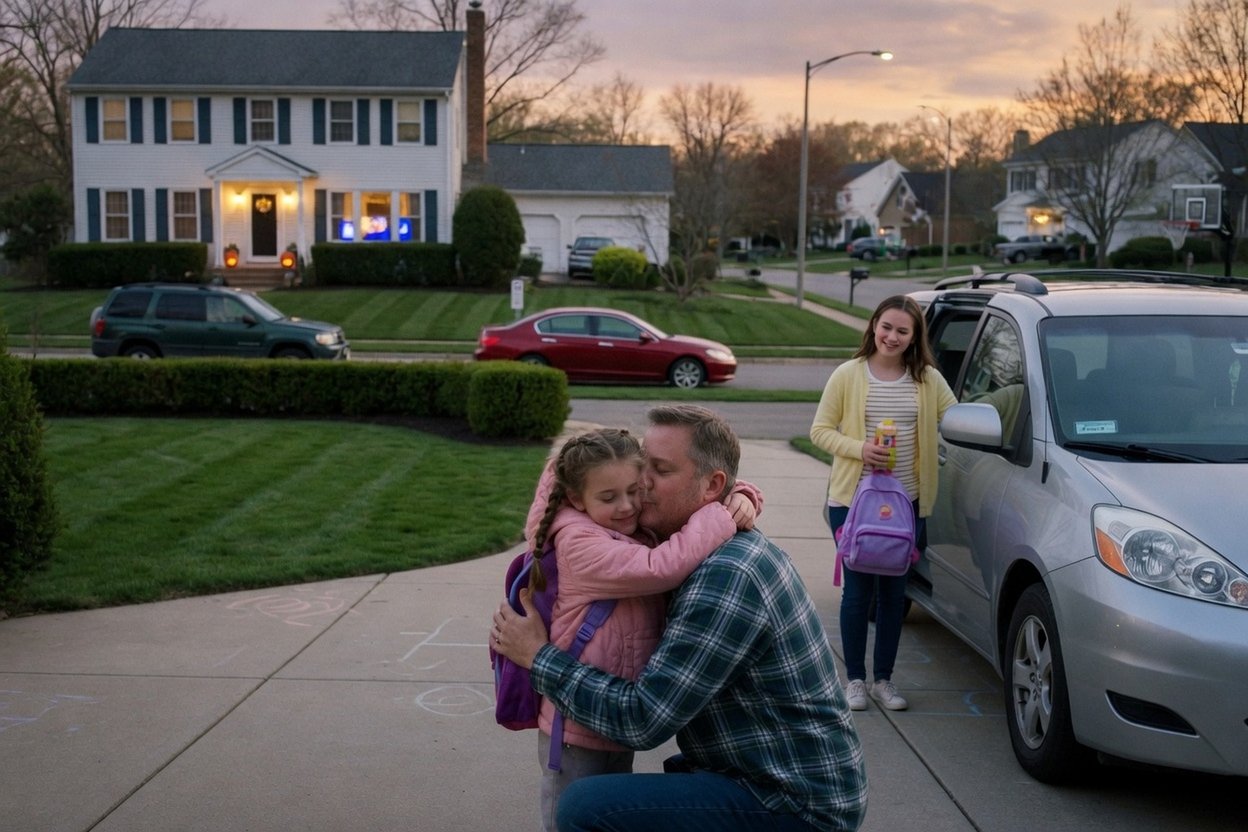
Sunday night handoffs without the meltdown: start the goodbye early, keep the exchange boring, what to say in the last two minutes, and what to do if they refuse.
Best for the Children Editorial·5 min read·September 28, 2026
Sunday night has a smell. Backpack on the floor. A car in the driveway that is not yours. The child who was easy all weekend suddenly cannot find a shoe. Handoffs are where a parenting plan becomes a real child walking from one life into the other. You can make that five minutes a cliff, or you can make it a doorway.
Do not spring “time to go” at the door with a bag that is half packed. An hour out, name the next step. “After dinner we pack. Then we drive. Then you will be at the other house, and I will see you Thursday.” Children handle known endings better than surprise ones. The tantrum is often the shock, not the other parent.
Pack with them, not around them. Homework folder, charger, the stuffed animal that actually sleeps there, the inhaler. A child hunting for a retainer in the dark while two adults glare over a minivan is already in the middle.
Arrive on time. Stay in the agreed spot. One adult from each home is enough. New partners, extra relatives, and a speech about child support do not belong in the driveway. If you cannot speak without spitting, you can still nod, hand over the bag, and leave. The child is watching whether the adults can finish a sentence in public.
Do not debrief the weekend at the bumper. “Tell your mom what you told me” is a messenger job. Adult business goes in a text after the child is inside. See stop using your child as a messenger.
Warm and short. “I love you. I will see you Thursday after school. Have a good sleep.” Do not add “unless they let you call.” Do not cry in a way that asks them to take care of you. You can cry in your own car after they are gone. They should not have to choose between your face and the other doorway.
If they cry, name it without inflating it. “Leaving is hard. The other house is still your house. I will be here on Thursday.” Then complete the handoff. Stretching the goodbye to “prove” love teaches them that love means not going.
A stall is not always a safety report. Sometimes it is a child who had a good weekend and does not want the movie to end. Sometimes it is a child who heard too much. Slow down, get on their level, and separate fear from delay. For a true refusal pattern, use when your child refuses to go to the other parent’s home and stay on the child’s fear, not on scoring a no-show.
Do not bribe with “you don’t have to go if you don’t want to” unless a lawyer has told you there is a safety basis to hold them. A child given veto power over the order learns that the order is optional and that they are in charge of adult conflict. That is too heavy a job.
Receiving parents: do not run a customs inspection. They may be quiet. They may smell like the other house. Let them in. Food, a shower, the ordinary show. Save questions. A child who has to testify about the weekend before they take their shoes off will start editing the weekend in real time.
If something actually went wrong — a missed medication, a bruise you cannot explain, a child who is scared to name it — write it down after they are settled and call the professional you use. The driveway is not the clinic and it is not the courthouse.
Put the exchange time on a paper calendar both homes can see. Same place, same window, same bag. A 50/50 schedule only works if the Sunday piece is as boring as the Thursday piece. If the order is vague (“Sunday evening”), pick a clock time in writing so the child is not waiting while adults negotiate the sun.
Short time still counts. Making the most of short visits includes ending them well. A good weekend with a ragged goodbye is what the child will replay on the ride.
This is educational information, not legal advice. What your order says about time, place, and who may be present controls the exchange. Follow that paper. Ask a licensed attorney where you live if the handoff has become unsafe or if someone keeps changing the rules in the parking lot.
This site is not a law firm and this is not legal advice. A clean Sunday night is not softness. It is how a child learns that two homes can both be real, and that they do not have to break in the gap between the bumpers.
Thanksgiving is on November 26 this year. The families who have a good day usually settled it in October. How to plan one holiday across two homes, and what to do if…
Learn when you can join the other parent's Halloween walk, how state orders assign the holiday, and how to plan a calm, safe shared night.
Understand what 'Thanksgiving Day' means in your custody order and mark every day of November correctly. Learn when to ask for clearer wording.