Putting Children First
When Your Child Comes Home Angry and Needs a Couple of Days to Settle
Learn how to give your child a calm landing after a hard handoff, when a day or two of settling is normal, and when to seek professional help.
The house is too quiet. Their shoes are not by the door. You check the clock like it is a court date. Missing your child during the other parent’s time is
Best for the Children Editorial·5 min read·September 17, 2026
The house is too quiet. Their shoes are not by the door. You check the clock like it is a court date. Missing your child during the other parent’s time is ordinary, and it can still knock the air out of you. The job is to miss them without making their time in the other home feel like a kidnapping they have to apologize for when they get back.
They are living their other regular life. If you treat those days as stolen, they will start performing loyalty when they return: extra hugs, extra reports, extra silence about anything fun. That is a child managing an adult’s grief. It is not closeness.
You can love them and still let the other home be a home. The test is simple. When they come back, do you want a story about the park, or a story about how guilty they felt for going to the park?
Have a plan that is not refreshing a tracking app. Work late on purpose. See a friend who will not trash the other parent. Clean the closet you have been using as a filing cabinet. Go to bed at a human hour. The point is to be a person when they return, not a raw nerve standing in their doorway.
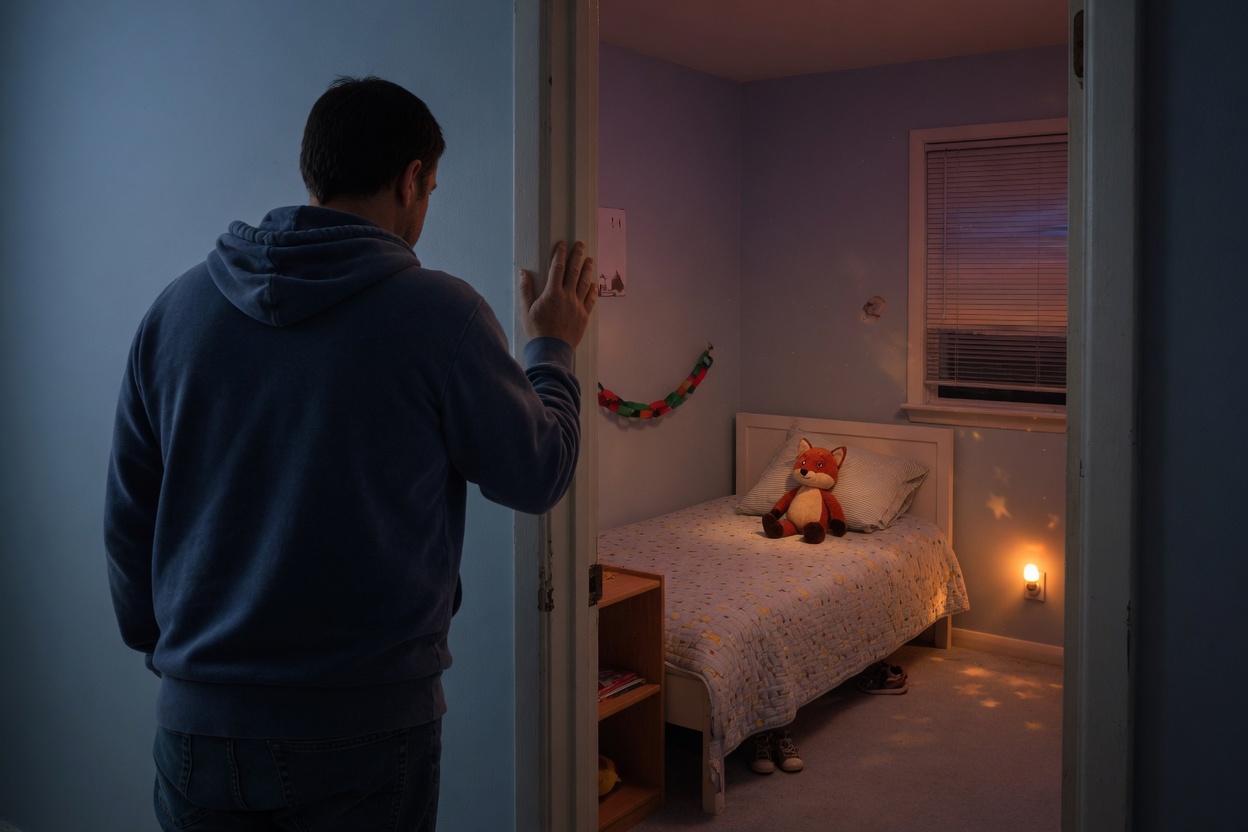
If you have a younger child, the empty bedroom will feel like a dare. You can sit in the doorway for a minute. Then leave the room. Do not sleep in their bed “so it smells like you.” That is your comfort, billed to their sheets.
Follow the order. If it says a call at 7, call at 7. If it says no extra contact except emergencies, do not invent a homework emergency because you are lonely. A child who has to hide the phone under a pillow is not being parented. They are being recruited.
When you do talk, keep it light and specific. “How was soccer.” “I saw a dog that looked like the neighbor’s.” Do not ask, “Are you okay there?” in a tone that wants a no. Do not ask them to list what the other parent fed them. Food logs are for lawyers, and even then they are a weak substitute for a child who ate and played.
If the other parent is using the child as a messenger, stop playing. Put adult business in writing between adults. Stop using your child as a messenger between homes is the rule in both directions, including when you miss them.
Pickup is not an interrogation. They may be tired, sticky, and half in the other house for an hour. Let them land. A snack, a shower, the show they like. Save “so what did you do” until they offer it. If they do not offer it, that can be healthy. It can mean the other home is ordinary.
If they come back upset, listen for the child’s problem — a fight with a friend, a lost toy, a stomach ache — before you translate it into a case against the other parent. Some storms are just storms. How to talk with kids about two homes is for those conversations, not for building a file out of a Tuesday mood.
Showing up at school “just to see them.” Parking down the block. Asking a neighbor to report when the other car leaves. That is not missing. That is crowding. If you are afraid for safety, that is a lawyer-and-order problem, not a drop-by. If you are afraid of being forgotten, the fix is a reliable next exchange, not a stakeout.
A child who refuses to go back is not proof that missing them was correct. It is a signal to slow down and look at the handoff, the fear, and the adult talk they have been overhearing. See when your child refuses to go to the other parent’s home.
When they are gone, you can do the unromantic work: laundry of the clothes that live in both houses, a calendar for the next month, a note to the teacher that does not trash anyone. Making the most of short visits starts before they walk in, not with a guilt trip after they walk out.
This is educational information, not legal advice. What you may text, call, or show up for during the other parent’s days depends on your order and your state. Read the paper you have. Ask a licensed attorney where you live before you “just swing by.”
This site is not a law firm and this is not legal advice. Missing your child means you love them. Using the missing to make the other home feel dangerous is how a child learns that love is a test they can fail.
Learn how to give your child a calm landing after a hard handoff, when a day or two of settling is normal, and when to seek professional help.
The first report card of the year can start a blame game between homes. How to share school information, set up homework in two houses, and keep grades from becoming evidence.
Learn what to tell your child when each home has different candy rules, plus shared safety steps and a plan to agree on with your co-parent.