Putting Children First
When Your Child Comes Home Angry and Needs a Couple of Days to Settle
Learn how to give your child a calm landing after a hard handoff, when a day or two of settling is normal, and when to seek professional help.
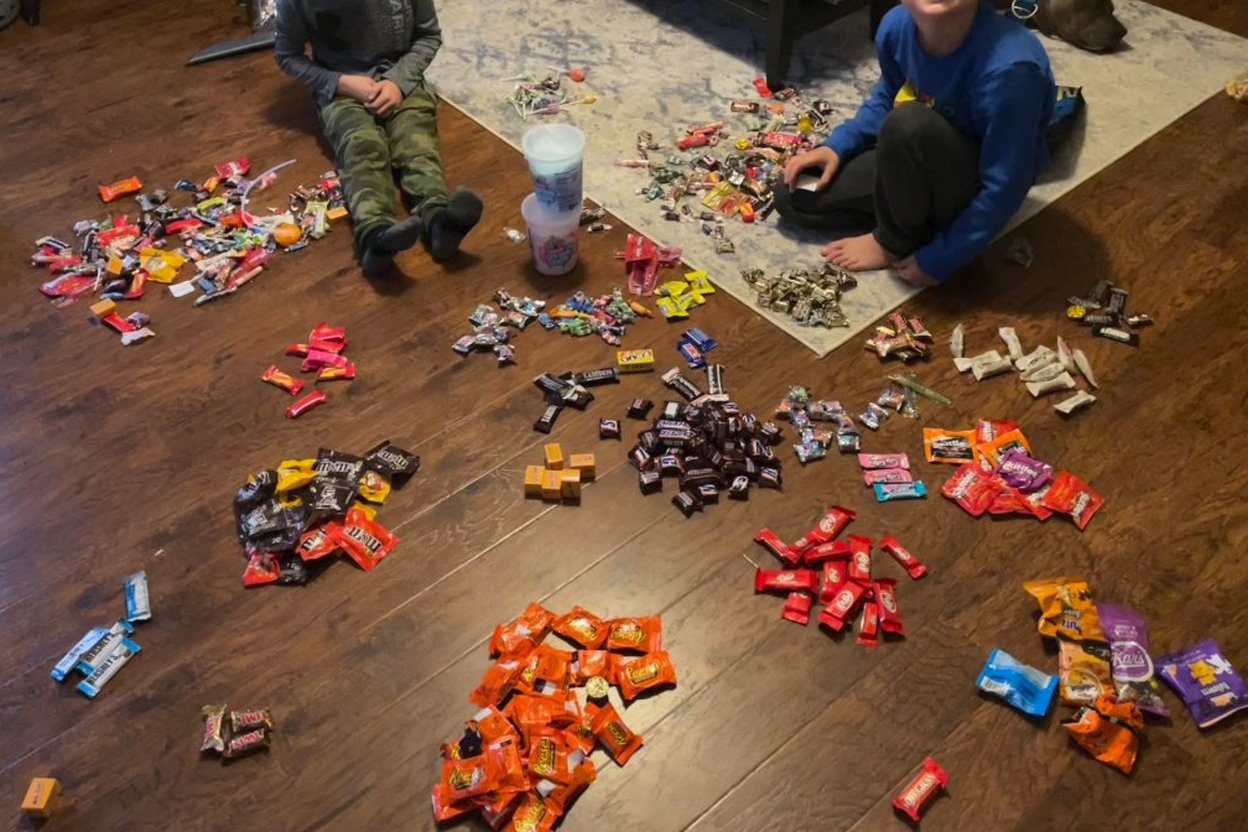
Learn what to tell your child when each home has different candy rules, plus shared safety steps and a plan to agree on with your co-parent.
Best for the Children Editorial·6 min read·October 13, 2026
When your child comes home from the other parent’s house with a different candy limit, answer calmly: “Different houses can have different rules. Here, this is how we do candy.” You can set a steady rule in your home without criticizing the other parent or asking your child to choose a side.
Aim to agree on the basics that affect safety and predictability. Small differences in how each home handles treats can be explained in simple, age-appropriate words.
Give your child a calm, truthful explanation: each home has its own candy routine, and your rule applies while they are with you. A clinical psychologist at the Child Mind Institute says children can learn rules that are consistent within one household even when another home has different rules.
The American Academy of Pediatrics (AAP) advises making candy rules “realistic, consistent and positive,” with a plan that lets everyone know what to expect. Keep your explanation brief and avoid comparing homes or criticizing the other parent.
Try a script that fits your child’s age:
If your child says the rules feel unfair, acknowledge the feeling and repeat the plan. “I hear you. Tonight, you can have one piece after dinner” gives a clear limit without turning the conversation into a debate about the other home.
Aim for a few shared routines across both homes, then explain small differences without asking your child to take sides. The AAP’s guidance on adjusting to divorce says parents living apart should agree on consistent rules for both homes and avoid putting children in the middle.
Shared expectations can make transitions easier, especially for young children. Ohio’s 2025 parenting guide notes that consistent routines across homes, including nutrition, are especially important for children ages 3 to 5. Arizona’s parenting plan guidelines list similar mealtime routines and handling rules and discipline in similar ways as practices that benefit children.
For candy, a shared basic plan might cover when your child can have a treat and where the rest is kept. The exact number of pieces does not have to match for your child to understand what happens in each home. Explain the rule in your own household with a neutral sentence, then follow it consistently.
If you and your co-parent can agree on a shared plan, tell your child what to expect at both homes. If your limits differ, keep your explanation focused on your home’s routine. Avoid asking your child to report on the other parent’s choices or carry messages between homes.
Use a planned, moderate approach to Halloween candy, with clear expectations your child can follow. The 2025–2030 federal Dietary Guidelines, released Jan. 7, 2026, say no amount of added sugar is recommended for children. The AAP and KidsHealth advise moderation and planning; strict bans and locking sweets away can fuel cravings.
A practical plan can start with a healthy meal before trick-or-treating. Afterward, decide how candy will be rationed over the coming days or weeks, and keep it out of your child’s bedroom. Tell your child the plan before the candy comes home so the limit feels predictable.
You and your co-parent can use the same public-health guidance to discuss the plan. That gives you a shared reference point for a conversation about treats, even if each home sets a different daily amount. Keep the child out of negotiations and tell them each household’s rule directly.
The AAP’s Halloween safety tips also offer guidance for managing candy safely. Use that practical advice alongside a clear household plan, and adjust the amount your child gets at your home to fit the agreement you and your co-parent make.
Candy inspection, choking prevention, and food-allergy precautions belong in the shared safety plan for both homes. These steps protect your child regardless of which parent is setting the treat limit.
Inspect candy at home and throw away anything unwrapped or tampered with. For very young children, remove hard candy and gum because they pose choking hazards. Check labels for allergens, and make sure both homes know which foods your child needs to avoid.
Medical instructions should carry across households. Indiana’s parenting guidelines say a health care provider’s medical instructions must be followed in both homes; the Indiana rules for parenting provide that state-specific guidance. If your child has an allergy or prescribed diet, share the relevant instructions with your co-parent and follow them in each home.
For Halloween activities, FARE’s Teal Pumpkin Project helps families with food allergies find non-food treats. Agreeing on these safety steps gives your child the same protection at either home, even when the candy limits differ.
Settle the practical candy plan with your co-parent in one message, then explain it to your child without using them as a messenger. A short written agreement can prevent confusion over what happens after trick-or-treating and at school parties.
Cover these points:
Use a parenting app or text to negotiate the details. Keep the message focused on your child’s routine and any safety needs, such as checking labels for allergens. Once you have an agreement, tell your child the plan in plain language.
If you cannot agree, keep your own house’s rule steady and let the other home handle its rule. You can say, “At my house, candy goes in the kitchen, and you can have a piece after dinner.” Avoid asking your child to persuade the other parent or explain why one home should adopt the other’s limit.
Choose one leftover-candy plan that works in both homes, such as donating eligible treats through a candy collection drive. A shared plan gives your child a clear end point for the Halloween stash.
Soldiers’ Angels’ Treats for Troops runs collection sites through Oct. 31, with sites often located at dental offices. Check the program’s current collection details before bringing candy, and tell your child which treats are being set aside for donation.
You and your co-parent can agree on what happens to the remaining candy and use the same explanation in each home. For example: “We’re saving a few pieces for the week, and the rest is going to the collection.”
Learn how to give your child a calm landing after a hard handoff, when a day or two of settling is normal, and when to seek professional help.
The first report card of the year can start a blame game between homes. How to share school information, set up homework in two houses, and keep grades from becoming evidence.
A child in therapy during a custody fight needs a safe room. What parents can ask, what stays private, and why the therapist is not a witness you get to recruit.