Putting Children First
Splitting the Cost of a Big Holiday Gift With the Other Parent
How to ask your co-parent to split a big holiday gift, set a budget, divide the cost fairly, and keep your child out of the middle.
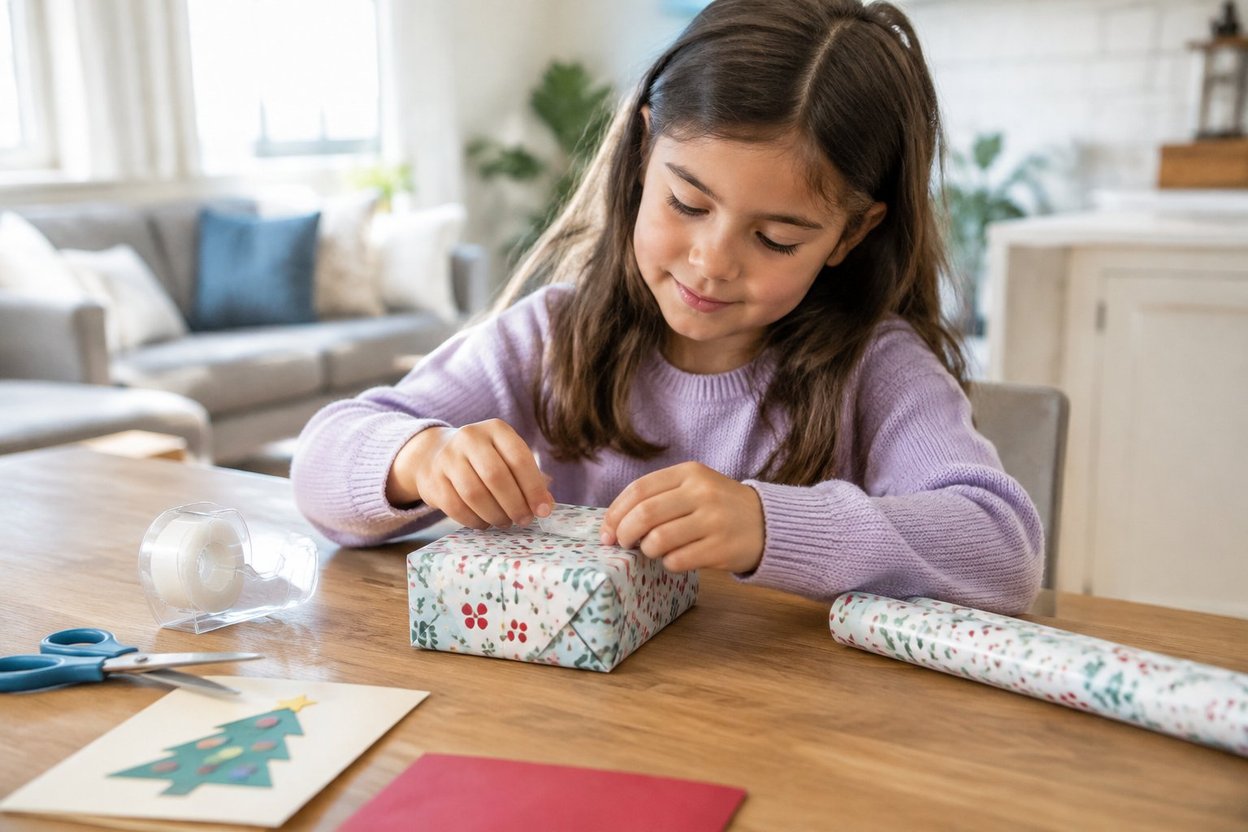
Practical steps for helping your child pick a holiday gift for their other parent, plus what to avoid so your child stays out of the middle.
Best for the Children Editorial·9 min read·November 24, 2026
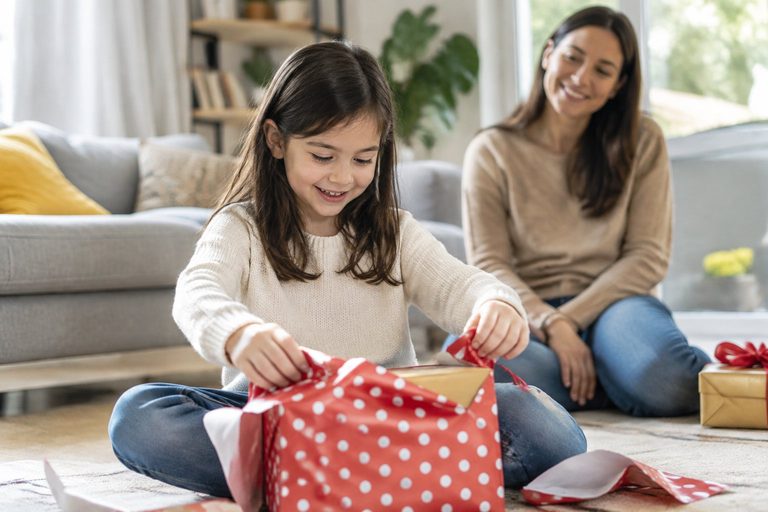
It's fall, and the holidays are coming. Your child gets quiet in a store aisle, picks something up and puts it back. Then they ask, carefully, "Can I get something for Dad?" or "Is it okay if I make Mom a card?" You might feel a pang. Answer yes anyway. Helping your child choose a gift for their other parent is one of the simplest ways to protect them this season. Here's why it matters so much to them, how to do it without much fuss, and what to avoid.
Children don't stop loving a parent because that parent moved out. They know their parents live in two homes now. They've noticed the hugs stopped. Your child already holds that loss, and a holiday can make it feel heavier.
A gift gives your child a way to show love to both of you without having to pick one. When they give to you and to the other parent, they're telling themselves, and you, that loving both is allowed.
Children's mental health experts at the Child Mind Institute encourage parents to help kids make a gift or card for the other parent. OurFamilyWizard, the co-parenting app company, gives the same advice for Mother's Day and Father's Day: help your child pick out a gift for the parent being celebrated, or make one at home. It works just as well in December.
So tell your child plainly. One family law firm that writes about this suggests telling your child it's okay to be excited about a gift for the other parent, so they don't feel the gift is a burden to you or feel guilty about it. You might say: "Of course we'll get something for your mom. Let's find something she'll love." Your child doesn't need to know if it costs you something inside. They just need to hear that it's fine.
Holidays pull at children from both sides. Where they wake up, whose dinner they eat, who sees them open presents: every choice can feel like a test they might fail. Child development experts call this a loyalty bind. The child feels guilty for loving one parent because it might hurt the other.
Kids worry about this more than most parents realize. OurFamilyWizard calls a child's fear of hurting a parent's feelings "all-too-real." In our years around family court, we've heard over and over what children don't like and what upsets them, and being caught between their parents comes up again and again. Children are rarely fooled when adults pretend everything is fine. They read the room.
The Child Mind Institute is clear that conflict between parents is what harms children most. It's not the divorce itself, and it's not having two homes. It's the fighting. A gift for the other parent that a child picks out freely and you support quietly works against that. It's a small, visible sign that the adults can handle it.
The same experts say to base holiday decisions on what's best for the kids, not on what would please you or your extended family. Grandparents, aunts and uncles need to understand that the holidays aren't a contest over who the kids love most.
Start early. Thanksgiving is November 26 this year, and December comes right after it. One family law writer warns that backorders can delay shipping and that a late gift is stressful for everyone, including the child. A child who planned a gift and then had nothing to hand over can take it hard. Plan in November, not the week before.
Brainstorm together, with a budget in mind. Sit down and ask, "What does your dad like?" Let your child lead. Settle on a modest amount you're comfortable with, and keep ideas generous but realistic. The point is something the other parent would actually enjoy, not something expensive.
Think about the other parent's tastes. Children often know exactly what makes a parent happy. Ideas that work well include the other parent's favorite candy or favorite flower. The same law firm writer describes her children suggesting their dad's favorite candy, and says his delight at a gift they chose themselves meant a great deal to them. That's what you're aiming for: the child's choice, and the child's pride.
Homemade is fine. Often it's better. A craft, a drawing, a card or a batch of baked goods all count. Younger children especially like making something with their own hands. Don't push for store-bought to make it look "good enough."
Help with the practical parts. Kids can't wrap neatly, address a box or pay for postage. Offer that help the way you would for a gift to a grandparent or teacher: matter-of-factly, without commentary.
Let your child hand it over on their own terms. Some kids want to give it in person at the exchange. Some want to tuck it into their bag. If the other parent lives far away, ship it early and set up a video chat or phone call so your child can watch it being opened. Ask your child what they'd like. It's their gift.
Helping with a gift is good. Using the gift to say something to the other parent isn't. Children notice the difference right away.
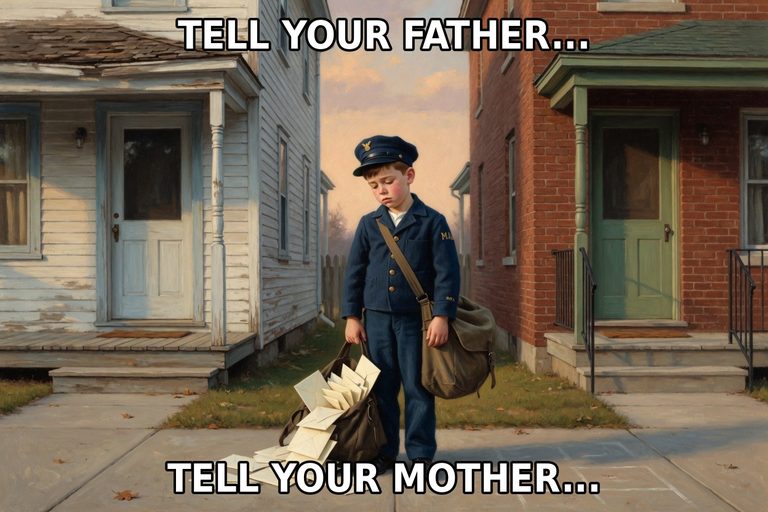
**Don't make your child a messenger.** No notes tucked into the box about schedules, money or last month's argument. OurFamilyWizard points out that children absorb the other parent's emotional reaction to messages they carry, and may feel guilty if they forget one. It calls carrying messages a risk to a child's emotional health and well-being.
Don't make them a spy. Skip "Did she like it? What did she say? Who else was there?" Asking for detailed reports on the other home makes a child feel like they're spying.
Don't make them a referee or a judge. Don't ask which parent's gift was better, or whose holiday was more fun.
Don't make them prove loyalty. A child shouldn't have to give you a bigger gift, or spend less on the other parent, to show where they stand. All Family Law, a family law firm, warns against making a child feel obliged to pick sides.
Don't comment on the gift or the reaction. Not "That's too nice for him," and not "She probably won't even thank you." If the other parent's response disappoints your child, comfort your child. Don't pile on.
Don't undercut the other parent's rules with your own gifts. The Child Mind Institute is direct here: if the other parent has forbidden something, don't buy it. Criticizing the other parent's rules in front of your child undermines that parent and puts the child in the conflict. The same goes for extravagant gifts meant to win a child's favor. Kids see through them, and they leave the child feeling torn.
If the two of you can talk, a little planning heads off a lot of trouble.
Agree on budgets. All Family Law suggests agreeing on a budget you can both keep, so gifts stay balanced between homes. The Child Mind Institute recommends coordinating presents so you aren't competing over who gives the best gifts. When gifts become a contest, the child is the trophy.
Split the big gifts. If your child wants something large, consider sharing the cost, or have each of you buy part of it. All Family Law gives the example of one parent buying the bike and the other buying the helmet and accessories.
Don't make "stay at one house" gifts. A gift that belongs to the child shouldn't become something they can only use at one parent's home unless there's a real reason, like a pet or something too big to move. Talk ahead about where things will live, so your child isn't torn over what they're allowed to take back and forth.
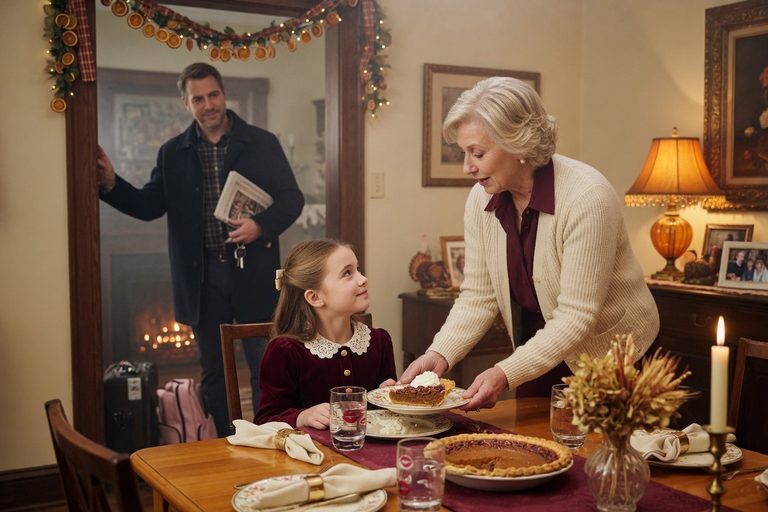
Check your parenting plan. Custody orders and parenting plans differ widely, and each state has its own family law. Some plans spell out holiday schedules in detail. Read yours and check your own state's rules before you assume anything about who has the child when. To see what the order means day by day, build a calendar from your parenting schedule and your school's calendar.
Use a tool if talking is tense. A shared calendar or a co-parenting app such as OurFamilyWizard can keep holiday plans and gift agreements in writing and out of your child's hearing. (OurFamilyWizard sells that app, so keep that in mind when you read its advice.) Its point still holds: texts, calls and emails can be deleted, overheard or seen by children, and a platform with safeguards cuts down on that.
Sometimes coordinating isn't possible. The divorce is fresh, trust is gone, or there's a court date coming. The Child Mind Institute notes that celebrating together only works for low-conflict divorces. When there's significant animosity, celebrate separately.
Even then, the gift can still happen. Do it for your child, not for the other parent. Keep it small: a card, a drawing, a favorite candy bar. Let your child hand it over at the exchange, or send it and let them watch it opened on a video call. You don't have to say a word to the other parent about it.
OurFamilyWizard encourages co-parents to set their frustrations aside on these days for the kids' sake. The Child Mind Institute suggests saving legal questions for a calmer time after the holidays. Your adult issues will still be there in January. Your child's memory of this December will be made now, so give them one where loving both parents was simply allowed.
How to ask your co-parent to split a big holiday gift, set a budget, divide the cost fairly, and keep your child out of the middle.
Plan holiday cards and photos after a split: who's in the picture, what to write, and how to post safely online.
A gift from your ex's new partner stings. Learn when to let it go, when to raise it with your co-parent, and how to keep your child out of it.