Parenting Time & Schedules
Thanksgiving in Two Homes: Plan It in October
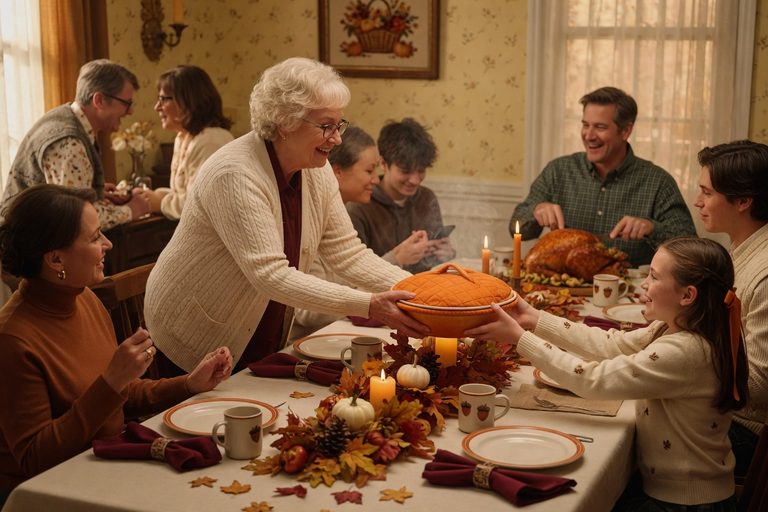
Thanksgiving is on November 26 this year. The families who have a good day usually settled it in October. How to plan one holiday across two homes, and what to do if…

When your child wants to trick-or-treat at the other parent's house: what the custody order says and how to decide together.
Best for the Children Editorial·9 min read·October 10, 2026
It's early October and the costume is half-finished. Then your child asks if they can go trick-or-treating at the other house, on the street where their friends live and they know every porch. You may feel a little hurt, a little worried, or ready to fight about it. Here is the short answer. Your custody order decides who has your child that evening. Where they walk is something the two adults can agree on. Either way, your child shouldn't have to make the decision or carry the argument.
Your child can want the other neighborhood and still spend the evening with the parent who has that time. Start with the order. Look for who has the child, from what time to what time, and whether it names a town. A child's wish doesn't change the exchange. Neither does a text from the other house, or "they already promised their friends." Indiana's statewide guidelines say it plainly: scheduled parenting time happens as planned, both parents are responsible for following the order, and the child doesn't make parenting time decisions.
This doesn't make the answer no. If both parents agree, the parent who has the evening can drive to the familiar street and walk the route with the child. The order of steps matters. The adults decide, and then they tell the child the plan. Children know their parents don't live together anymore. They don't need to see that they're the reason for an argument.
When an order has holiday language, it usually overrides the regular weeknight or weekend schedule. Many orders never mention Halloween at all. In that case October 31 goes to whoever already has that evening. When orders do mention it, they treat the question of whose street in different ways:
This year's calendar shows why the town matters. October 31, 2026, falls on a Saturday. In central Ohio, the regional planning commission recommended Thursday, October 29, and each town decides for itself whether to follow it. Columbus, Dublin, and Hilliard are listed for the 29th. Grandview Heights, Worthington, and Marysville are listed for the 31st. Two homes a few miles apart can have two different Halloweens.
Read the order you actually have. Then check your own state's and county's rules.
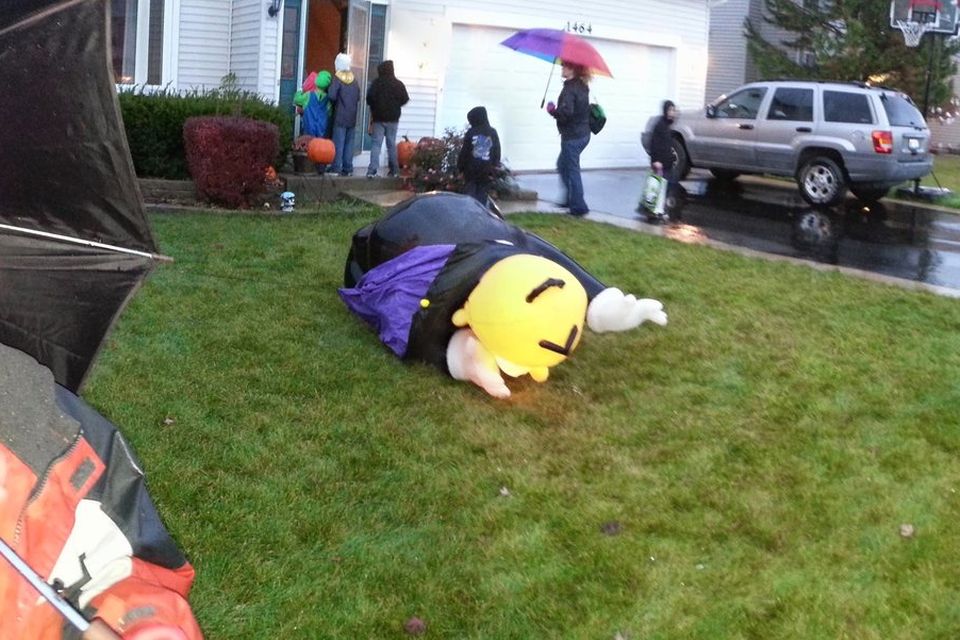
Usually the request is about the familiar sidewalk, the friends, and the houses they already know. It isn't a vote for one parent, and settling it isn't your child's job. Over the years we've heard children say the same thing many times: they don't want to be the one who decides between their parents.
Younger children shouldn't be asked to choose a parent for the night. Older children can reasonably tell you where their friends are going, and that is useful information. Courts treat a child's wishes as one part of a larger decision, and each state weighs them differently:
Indiana's guidelines also warn against using a teenager as the tie-breaker when the parents are stuck. Keep this decision between the adults.
The parent who has the evening stays in charge. They drive, they walk, and they get the child back on time. The other parent can hand out candy at their own door, wave from the porch, or skip the walk entirely. If the two towns trick-or-treat on different nights, check your order first. Some orders, like Fairfield's, already give each parent their own night.
Some children want both parents on the walk. That only works if both adults can stay calm and comfortable for the whole route. Dr. Jann Blackstone, a co-parenting writer, gave a parent in that situation this advice: go to the neighborhood the kids already know so they can be with their friends, set a time and place and stick to it, and don't use the walk to talk through adult disputes.
Pay attention to the doorstep. Indiana's guidelines say a parent may not enter the other parent's home without express permission. Pickup happens at the front entrance, and the person dropping off the child waits until the child is safely inside. Unless you agree otherwise, the parent receiving the child drives at the start of their time, and the other parent drives at the end. If the plan starts at the other parent's front door, get permission first.
Then write down the yes in a message between the two of you:
Sometimes no is the right answer:
When that happens, tell your child that the adults made the decision, and make the evening good where you are. It works the same way in the other direction. Indiana lists "the child has to go somewhere" as an unacceptable excuse for denying the other parent's time.
For the youngest children, the street itself is a safety issue. A study in JAMA Pediatrics covering 42 years of federal crash data found that the risk of a pedestrian death between 5:00 p.m. and midnight was 43 percent higher on Halloween than on the same hours a week earlier or later. For children ages 4 to 8, the odds were ten times higher. NHTSA says children under 10 shouldn't cross the street alone. It also reports that in 2023 nearly half of Halloween-night crash deaths involved alcohol. A busy, unfamiliar route at 8:30 p.m. is a fair reason to say no.
Watch the age limits too. Branch County's Halloween time is written for elementary-aged children only, so an older child may simply be on the regular schedule.
One text message covers this October. It doesn't change your order. If this argument is going to come back every fall, add Halloween to the plan on purpose:
Leave room for the year your child would rather go with friends than with either parent. Indiana's guidelines expect teenagers' schedules to shift toward friends while both parents stay involved. Thanksgiving falls on November 26, so it may be worth checking that line while you're looking.
An agreed change can be filed. In Indiana, an agreement is enforceable once it's written, signed by both parents, and filed for court approval. A lasting change over the other parent's objection is a modification, and states set the bar differently. Illinois requires changed circumstances plus the child's best interests, and it generally approves changes the parents agree on. Florida requires a substantial and material change plus the child's best interests, and it looks at whether each parent can follow the schedule and be reasonable about changes. Check your own state's rules.
Photo: Trick Or Treat by KOMUnews, BY 2.0.
Thanksgiving is on November 26 this year. The families who have a good day usually settled it in October. How to plan one holiday across two homes, and what to do if…
Learn when you can join the other parent's Halloween walk, how state orders assign the holiday, and how to plan a calm, safe shared night.
Understand what 'Thanksgiving Day' means in your custody order and mark every day of November correctly. Learn when to ask for clearer wording.