Parenting Time & Schedules
Thanksgiving in Two Homes: Plan It in October
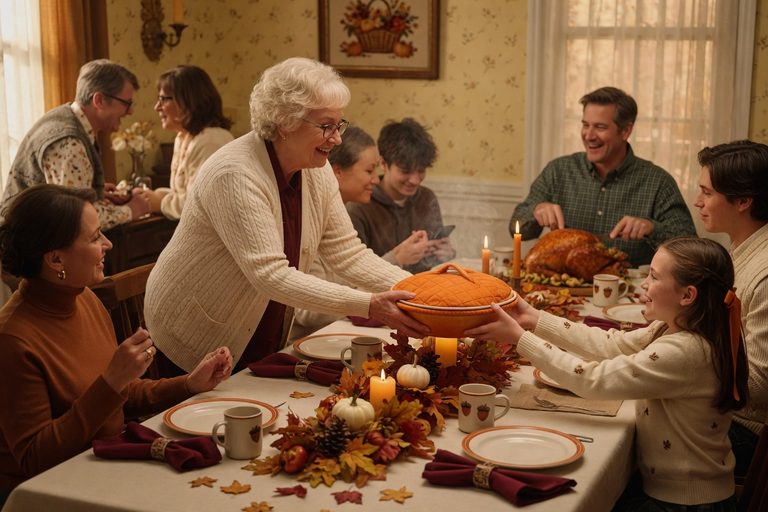
Thanksgiving is on November 26 this year. The families who have a good day usually settled it in October. How to plan one holiday across two homes, and what to do if…

Christmas Eve, Christmas morning, New Year's and two weeks off school. Why October is the right time to agree on winter break, what to put in writing, and how to keep your child out of the middle.
Best for the Children Editorial·4 min read·October 5, 2026
It is October. The leaves are still on the trees, and nobody wants to think about December yet. But somewhere in a backpack there is a school calendar with two weeks circled, and in about eight weeks your child is going to ask the question every child in two homes asks: where am I waking up on Christmas morning?
The best time to answer it is now, while it is still a calendar question and not a fight.
Go through the break day by day:
Once you agree, write it down in one short message and ask the other parent to confirm. A shared calendar works too. In your message, stick to the facts:
> "Confirming winter break: Maya is with me from Dec 19 after school until Dec 24 at 2 p.m. Exchange at your house. She's with you Dec 24 to Dec 27 at noon. I have New Year's this year, you have it next year. Okay?"
That message protects both of you and keeps the plan from drifting.
Go back to the order. If the order doesn't cover it, a mediator can often help in one session. If it has to go to court, starting in October gives everyone time. Waiting until December can mean no decision at all before the break.
For ideas that work for many families, see holiday schedules that work for kids in two homes.
This is educational information, not legal advice. Your custody order, your state and your child's needs decide what applies to you. If you and the other parent cannot agree, talk to a licensed family law attorney where you live.
This site is not a law firm and this is not legal advice. Settle the dates now, and your child gets to spend December looking forward to both homes.
Thanksgiving is on November 26 this year. The families who have a good day usually settled it in October. How to plan one holiday across two homes, and what to do if…
Learn when you can join the other parent's Halloween walk, how state orders assign the holiday, and how to plan a calm, safe shared night.
Understand what 'Thanksgiving Day' means in your custody order and mark every day of November correctly. Learn when to ask for clearer wording.