Parenting Time & Schedules
Thanksgiving in Two Homes: Plan It in October
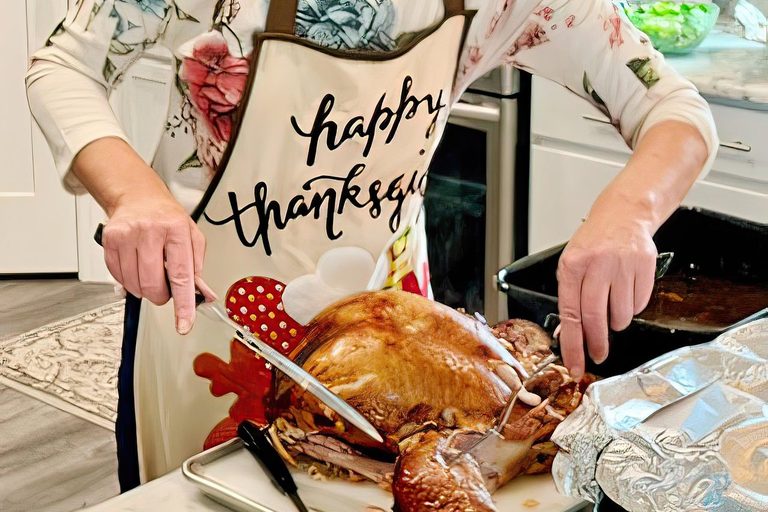
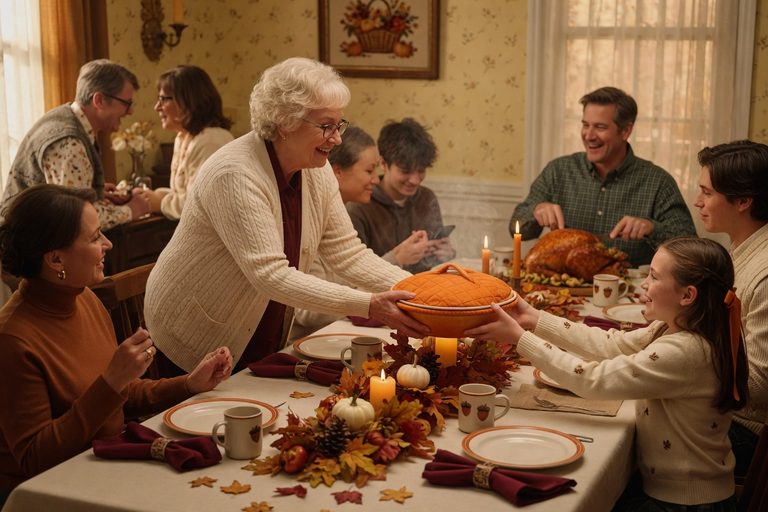
Thanksgiving is on November 26 this year. The families who have a good day usually settled it in October. How to plan one holiday across two homes, and what to do if…

Halloween falls on a Saturday this year. How to split the night, the candy, and the costume between two homes so the child gets the fun and not the fight.
Best for the Children Editorial·5 min read·October 3, 2026
The costume is ready, the bucket is by the door, and both parents have already said “she’s with me on Halloween.” Halloween lands on a Saturday this year, which means it can also land right in the middle of a custody argument. Your child does not care whose night it is on paper. She cares that the night is fun and that nobody cries at the front door.
Many orders and parenting plans list holidays by name, and many do not list Halloween at all. If yours does, follow it. A child who sees two adults follow the paper calmly learns that grown-ups keep their word. If it is silent, then Halloween is just a regular weekend or weekday under whatever schedule you already have, and the person whose time it is has the night.
That can feel unfair to the other parent, and it is fine to say so out loud in a message. What is not fine is announcing to the child that the other home is “taking” Halloween from her.
The simplest is to alternate: one parent has Halloween in even years, the other in odd years. The child gets a clear pattern and no one has to negotiate each October.
The second is to split the evening. One parent takes the after-school hour and the costume parade, the other takes trick-or-treating and candy, with a handoff at a set time and place. This works when the homes are close and the adults can meet at a curb without a scene.
The third is to have the child in both places on purpose: dinner and costume photos at one home, trick-or-treating at the other. It only works if the timing is written down and the handoff is short. A kid in a costume at a tense exchange remembers the tension, not the costume. Handoffs that do not end in a meltdown has ideas for keeping the moment short.
See holiday schedules that work for kids in two homes for a way to write these rules down before the season hits, not on the porch.
Decide who buys or makes the costume, and let the child pick within a budget. Do not compete. Two bumblebee costumes in two closets is fine. A child who has to choose which parent “gets” the good costume is being used as a referee.
Candy is not a custody issue. If one home is strict about sugar and the other is loose, the child can handle it, and different rules in two homes is a much bigger conversation than a fun-size bar. Let the candy bucket travel with the child, and do not go through it to prove a point.
Photos matter to kids more than adults expect. Send the other parent a picture from your night, even if you are not speaking. “Here she is” takes five seconds and tells the child that her joy is allowed to cross the line between houses.
Some years the message goes unanswered, or the answer is “no.” Stay with the child’s night. Do not argue in front of her, do not use trick-or-treating as a bargaining chip, and do not text a paragraph at 6 p.m. while she is wearing wings. If the pattern is chronic, a parenting plan that keeps getting violated is an adult problem for the adult channel, after the candy is sorted.
If safety is a real concern (an intoxicated adult, a car with no booster seat, threats), that is a different situation from a scheduling quarrel, and it belongs with a licensed attorney, not a Halloween group chat.
Send one message. Name the day, say who has the child and until what time, name the handoff spot, and say who is bringing the costume. Keep it short and warm: “Halloween is Saturday. I have her until 5, then you do trick-or-treating. Costume is the bee wings in her bag. Thank you.” Save it. Short, calm scripts for texts and emails can help with the wording. That message is worth more than any argument.
If you are the parent who does not have Halloween this year, plan something for the day before or after. A pumpkin, a movie, a walk through the neighborhood to look at decorations. The night itself is one evening. The feeling that both parents are glad she exists lasts a lot longer.
This is educational information, not legal advice. Whether Halloween is named in your order, and what it says, depends on your state and your paperwork. Read your own order first. If it is silent, agree on something in writing before the day, and ask a licensed attorney where you live if you cannot agree.
This site is not a law firm and this is not legal advice. A child only gets so many Halloweens in a costume she picked herself. Give her one where the adults kept it simple.
Thanksgiving is on November 26 this year. The families who have a good day usually settled it in October. How to plan one holiday across two homes, and what to do if…
Learn when you can join the other parent's Halloween walk, how state orders assign the holiday, and how to plan a calm, safe shared night.
Understand what 'Thanksgiving Day' means in your custody order and mark every day of November correctly. Learn when to ask for clearer wording.