Putting Children First
When Your Child Comes Home Angry and Needs a Couple of Days to Settle
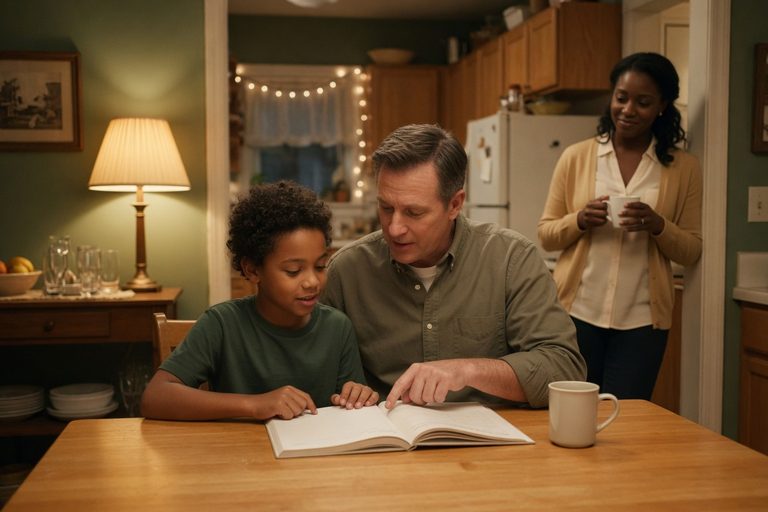
Learn how to give your child a calm landing after a hard handoff, when a day or two of settling is normal, and when to seek professional help.
Creating a schedule for a blended family is not just about dividing time between two households. It is about weaving together multiple homes, step-parents,
Best for the Children Editorial·5 min read·September 21, 2026
Creating a schedule for a blended family is not just about dividing time between two households. It is about weaving together multiple homes, step-parents, half-siblings, and sometimes very different parenting styles into something that feels stable and fair to the children. The children are the ones who must navigate the transitions, loyalties, and logistics every week.
The best blended schedules prioritize the children’s need for predictability and belonging over perfect mathematical equality between parents. They reduce conflict by being clear, consistent, and flexible where it actually helps the kids.
Blended families face layers of complexity that simple two-household schedules do not.
Loyalty and BelongingEvery decision about a blended family schedule must start with one question: What does this look like and feel like from the child’s point of view?
This is not about splitting time evenly between the adults. It is about protecting the child’s sense of security, belonging, and emotional safety in what can already be a complicated web of relationships. When parents focus on “fairness” between themselves rather than the child’s experience, the result is often schedules that create anxiety, guilt, loyalty conflicts, or exhaustion for the very people the plan is supposed to serve.
Putting the children at the center means asking harder questions before finalizing any arrangement:
When the schedule is truly child-centered, it often means one household gets more time during certain periods because it reduces stress for the children, not because it is “fair” on paper. It may mean accepting that the child wants to spend part of a weekend or holiday with step-siblings or friends, and that is not a rejection of either biological parent. It may mean the schedule evolves as the child grows and their social life and activities become more important.
Child-Centered ApproachSuccessful blended schedules often adapt standard patterns with extra thought given to multiple households.
Blended families must plan for the fact that new partners and children enter the picture over time.
Build review points into the schedule every 12-18 months or when a major life change occurs (new baby, move, new partner). What worked when the children were young may not serve them as teens with jobs and social lives.
Create clear rules about introducing new partners to the children and how that affects the schedule. Rushing new people into the mix is one of the fastest ways to create resentment and instability.
Pro Tip: Hold family meetings (age-appropriate) that include the children when making schedule adjustments. Even young children feel more secure when they understand the “why” behind changes. Pro Tip: Document agreements in writing and share them with all households, including step-parents. This reduces “I thought we agreed…” moments later. Pro Tip: Protect the child’s relationships with step-siblings even when biological parents are in conflict. Those bonds matter and should not become collateral damage.Related reading: Custody Schedules for Teenagers 12-18: Understanding their Unique Needs · Best 50/50 Child Custody Schedule with Infographics
Learn how to give your child a calm landing after a hard handoff, when a day or two of settling is normal, and when to seek professional help.
The first report card of the year can start a blame game between homes. How to share school information, set up homework in two houses, and keep grades from becoming evidence.
Learn what to tell your child when each home has different candy rules, plus shared safety steps and a plan to agree on with your co-parent.