Putting Children First
When Your Child Comes Home Angry and Needs a Couple of Days to Settle
Learn how to give your child a calm landing after a hard handoff, when a day or two of settling is normal, and when to seek professional help.
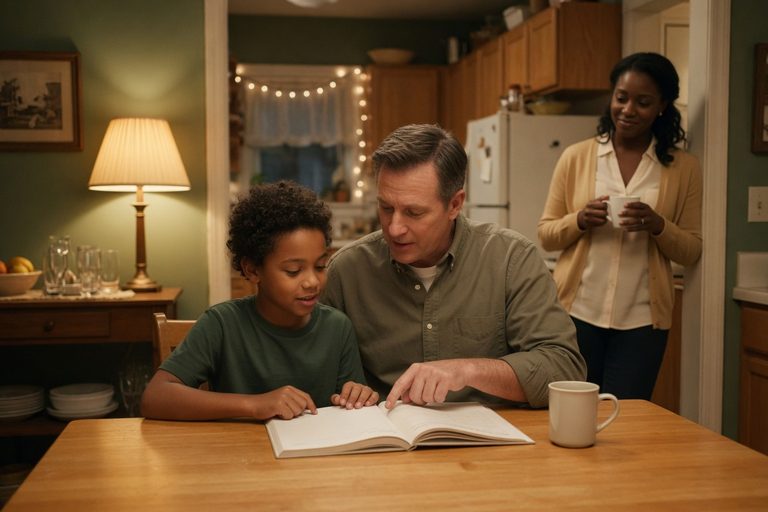
As a parent, you are your child's most powerful role model
Best for the Children Editorial·4 min read·August 4, 2026·Updated August 20, 2026
Independent thinking is a gift—especially for kids who move between two homes, hear two sets of rules, and sometimes feel pressure to take sides. The goal is not to raise a tiny adult who “handles everything.” It is to raise a child who can notice their feelings, ask questions, make age-right choices, and stay out of adult conflict.
For children of divorce or co-parenting, healthy independence looks like:
It does not mean: deciding custody schedules, refereeing adult arguments, or becoming the family peacemaker.
Kids take healthy risks when they feel secure. Say it often, especially around exchanges:
Warmth is not permissiveness. You can hold limits and still protect belonging.
Replace lectures with curiosity:
Avoid turning every story about the other home into an interview. Independent kids need a parent who listens without recruiting them as a witness.
Independence grows inside boundaries:
Different houses can have different routines. Help them think clearly without ranking parents:
That is flexible thinking—not loyalty conflict.
Young children: Tiny choices, big routines, short explanations.
School-age: More problem-solving practice; protect them from adult details.
Teens: More voice in logistics when safe; clear values; privacy with oversight; no role as counselor to either parent.
If your child suddenly becomes “the easy one,” parentifies themselves, hides feelings, or refuses all help, that can be stress—not maturity. Slow down, reconnect, and get support from a child therapist if needed, especially one familiar with separation and co-parenting.
Kids who think for themselves still need soft places to land. Encourage curiosity, choices, and courage—while you keep adult conflict and adult decisions off their shoulders.
Disclaimer: Educational only — not legal or clinical advice.
Related reading: How to Talk With Kids About Separation, Two Homes, and Other Hard Topics · Stop Using Your Child as a Messenger Between Homes · Age-by-Age: Helping Children Cope With Two Homes
Learn how to give your child a calm landing after a hard handoff, when a day or two of settling is normal, and when to seek professional help.
The first report card of the year can start a blame game between homes. How to share school information, set up homework in two houses, and keep grades from becoming evidence.
Learn what to tell your child when each home has different candy rules, plus shared safety steps and a plan to agree on with your co-parent.