Putting Children First
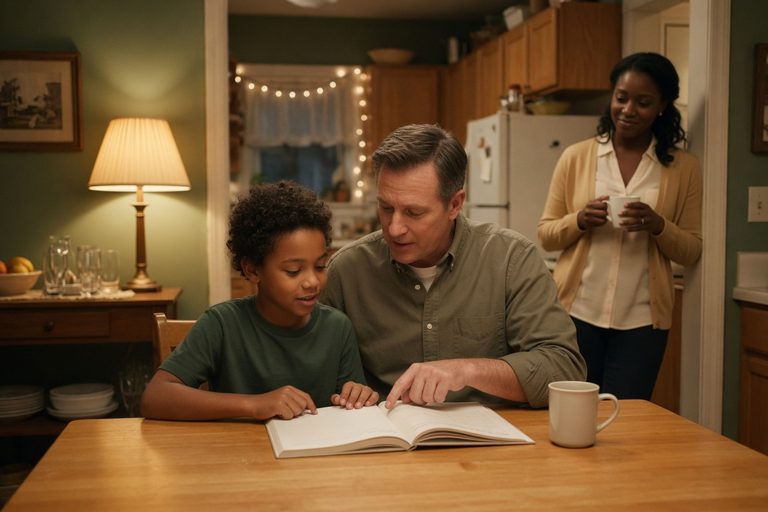
Why kids may rate one parent higher after a divorce
Why kids often prefer one parent after a divorce, when it signals something more serious, and how to keep your child out of the middle.
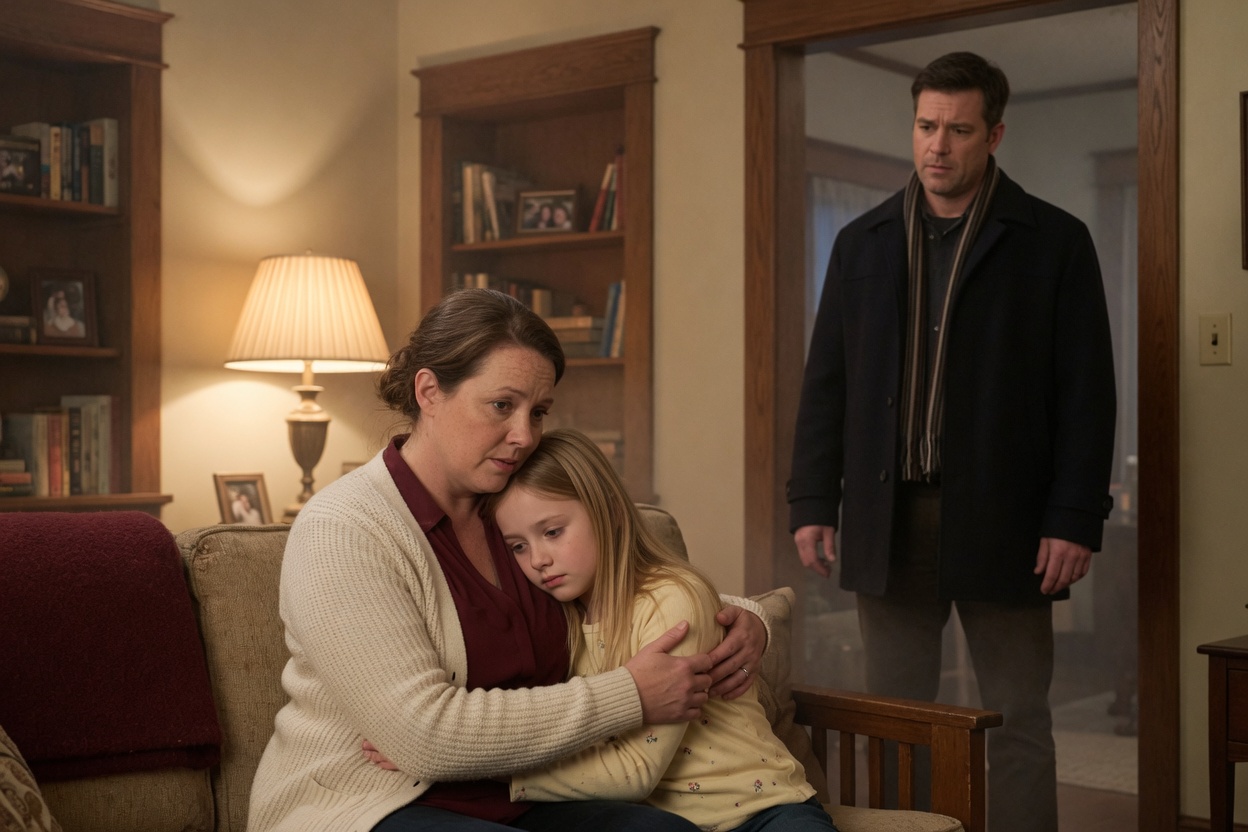
When a tragedy occurs—whether it is a public event, a community loss, or something closer to home—children living in two households often face an added layer
Best for the Children Editorial·3 min read·August 18, 2026·Updated August 21, 2026
When a tragedy occurs—whether it is a public event, a community loss, or something closer to home—children living in two households often face an added layer of complexity. They may hear different explanations, receive different levels of emotional support, or move between homes while still trying to make sense of what happened.
Putting children first in these moments means offering calm, honest guidance while protecting them from adult fear, conflict, or inconsistent messaging as much as possible.
Children who move between households may:
Your steady presence and clear, age-appropriate communication become even more important in this context.
You do not need to have one long, perfect conversation. Children often process difficult events in smaller pieces over time.
Younger children need short, concrete explanations and extra reassurance through routines and physical closeness.
School-age children may ask more “why” questions and benefit from simple, honest answers paired with limits on media exposure.
Teens can handle more information, but they still need protection from constant coverage and from being pulled into adult anxiety or political arguments about the event.
When possible, try to align on basic facts and tone with the other parent. You do not need identical scripts, but large differences in explanation or emotional reaction can increase a child’s confusion and anxiety.
If coordination is difficult or impossible, focus on what you can control: keeping your own home calm, limiting media, and giving your child space to express feelings without interrogation or pressure.
Pay attention if your child shows ongoing changes such as:
These responses can be normal in the short term. If they continue or intensify, consider additional support from a child therapist who understands both trauma and family separation.
Children do not need adults to have perfect answers after a tragedy. They need steady, honest caregivers who can help them feel safe enough to ask questions and express feelings. When a child lives in two homes, that steady presence becomes even more valuable.
By offering calm truth and emotional protection, you help your child process difficult events without carrying more than they should.
Educational only — not legal or clinical advice.
Related reading: Age-by-Age: Helping Children Cope With Two Homes · How to Talk With Kids About Separation, Two Homes, and Other Hard Topics · How Play Helps Children Process Separation and Living in Two Homes
Why kids often prefer one parent after a divorce, when it signals something more serious, and how to keep your child out of the middle.
Learn how to give your child a calm landing after a hard handoff, when a day or two of settling is normal, and when to seek professional help.
The first report card of the year can start a blame game between homes. How to share school information, set up homework in two houses, and keep grades from becoming evidence.