Putting Children First
When Your Child Comes Home Angry and Needs a Couple of Days to Settle
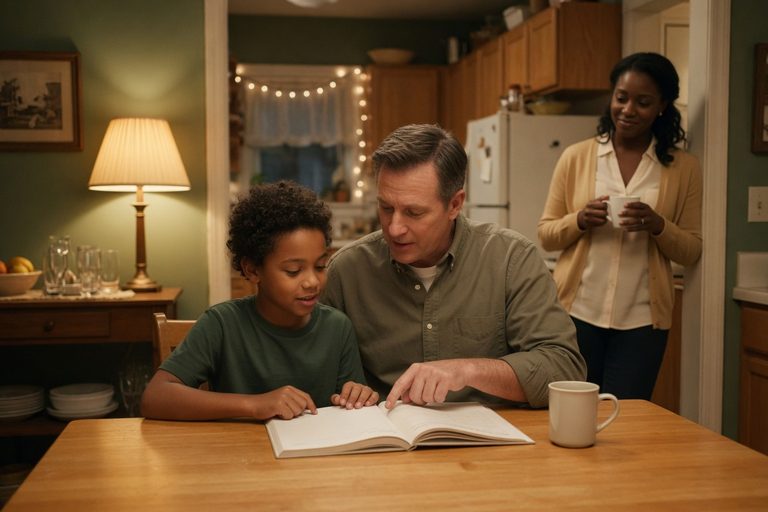
Learn how to give your child a calm landing after a hard handoff, when a day or two of settling is normal, and when to seek professional help.
When children experience separation or begin living between two homes, they often cannot fully explain what they are feeling with words. Play becomes one of
Best for the Children Editorial·4 min read·July 28, 2026·Updated August 20, 2026
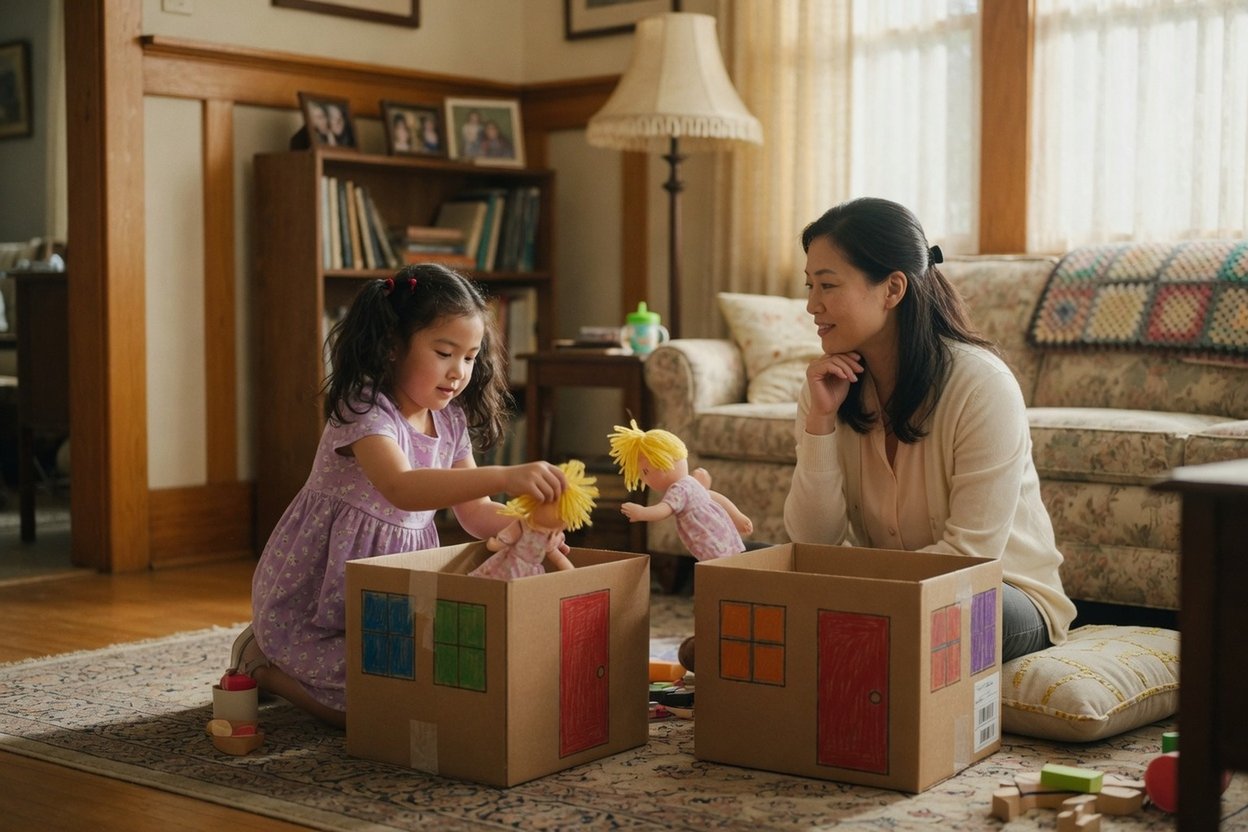
When children experience separation or begin living between two homes, they often cannot fully explain what they are feeling with words. Play becomes one of the primary ways they try to make sense of the changes in their lives.
Through play, children may reenact transitions, express loyalty conflicts, show worry about a parent, or work through feelings of loss and uncertainty. Paying attention to how your child plays can give you valuable insight into how they are adjusting.
Children use play to:
Everyday play at home is valuable. In some cases, professional play therapy can provide additional support.
You do not need special training to support your child through play. Simple, child-led play is often enough.
Helpful approaches include:
When children feel safe to play out difficult themes, they are often better able to regulate their emotions afterward.
Parents should observe their child’s play with gentle attention. Take note if you see:
An occasional intense theme is not automatically a crisis. Children often use play to work through hard experiences. However, patterns of increased aggression, fear, or ongoing distress are signals that your child may need more support.
If you notice these signs, respond calmly. Avoid punishing the content of the play. Instead, consider whether additional support — such as speaking with a child therapist — would be helpful.
Play therapy with a trained professional may be beneficial when a child:
A qualified play therapist can offer a safe, structured space for a child to process experiences that are difficult to talk about directly.
When possible, it helps if both parents understand that play is a healthy outlet. You do not need identical toys or rules in each home. What matters more is that the child feels emotionally safe to express themselves without being interrogated or corrected for the themes that appear in their play.
Play is one of the most natural tools children have for making sense of life in two homes. By offering space for play, observing with care, and responding thoughtfully to signs of distress, you help your child process change in a way that protects their emotional well-being.
That is a clear and practical way to put them first.
Educational only — not legal or clinical advice.
Related reading: Age-by-Age: Helping Children Cope With Two Homes · Helping Children Process Tragedy Across Two Households · How to Talk With Kids About Separation, Two Homes, and Other Hard Topics
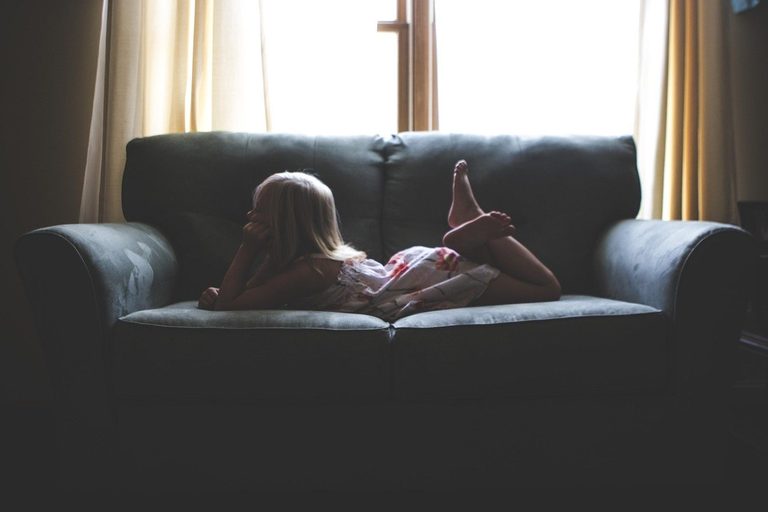
Learn how to give your child a calm landing after a hard handoff, when a day or two of settling is normal, and when to seek professional help.
The first report card of the year can start a blame game between homes. How to share school information, set up homework in two houses, and keep grades from becoming evidence.
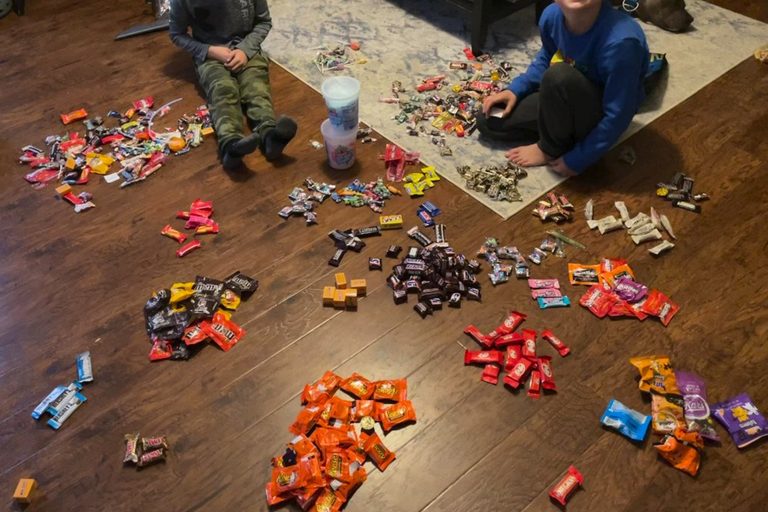
Learn what to tell your child when each home has different candy rules, plus shared safety steps and a plan to agree on with your co-parent.