Putting Children First
Can Your Child Take Christmas Presents to the Other Parent’s Home?
Christmas gifts usually go where your child goes. Learn how to check your order, when a gift can stay home, and how to keep kids out of the middle.

Thinking about a shared holiday dinner with your co-parent? Learn when it helps kids, the warning signs, how to set it up, and how to say no kindly.
Best for the Children Editorial·8 min read·November 28, 2026
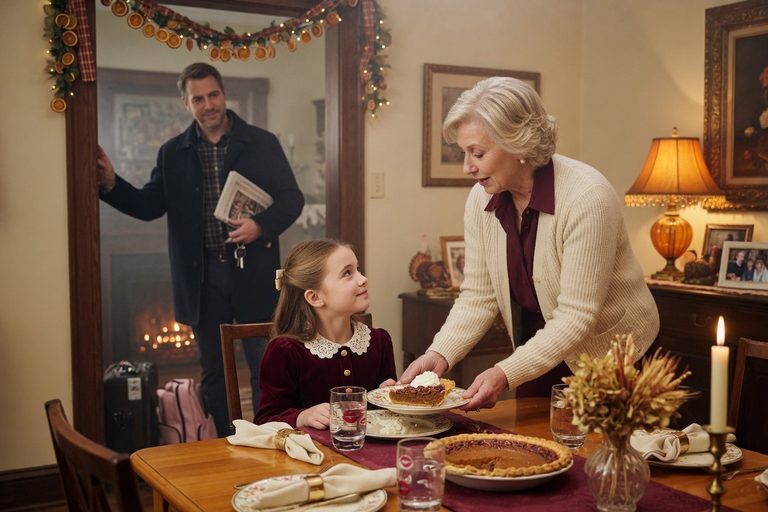
Maybe it came up in the car, or at bedtime with Thanksgiving a few weeks away: "Can we all just have dinner together this year?" You don't have to answer right then. A shared holiday dinner isn't right or wrong in itself. It can work when both parents get along and keep the day about the child. It can go badly when the conflict is still raw or when your child might take it as a sign you're getting back together. Here's how to decide, how to set it up if you say yes, and how to say no kindly.
First, know that the request is normal. Most children who ask for this aren't trying to make trouble. They're trying to get out of a choice they never wanted to make: Mom's house or Dad's, this table or that one.
Second, know that nobody has a settled answer. Professionals who work with divorced families disagree. Psychologist Fran Walfish supports friendly shared family time after divorce but warns that it can feed a child's hope that the parents will reunite. Divorce lawyer and mediator Vicki Shemin argues that seeing parents cooperate is worth the risk. A psychologist cited by DadsDivorce takes the opposite view and says joint appearances "only feed the child's fantasy and delay his adjustment." What can be said is that it works under certain conditions and fails without them.
So don't promise anything on the spot, and don't shut it down on the spot either. Say something like, "I'm really glad you told me. Tell me what you're picturing." Then listen. Ask what they're hoping the day will feel like. The answer tells you most of what you need to decide.
Holidays are when torn loyalty hurts most. Shemin notes that children often feel guilty, as if they caused their parents' disagreements, and some feel it's their job to repair the family. She describes a teenager who "did not enjoy a moment of the celebration" because he was busy making sure he thanked each parent equally. Children need permission to feel joy and longing at the same time without having to pick a side.
Listen for which of these your child is really after:
Children see more than parents think. They know you live in two homes and that you don't hug or kiss anymore. A shared dinner won't hide that from them. What it can do is show them their parents can still work together for them, which is what kids want most.
The families in the Monitor piece who made joint holidays work had some things in common. Old conflicts had faded, the parents had learned to cooperate, everyone was flexible about dates, and the goal was the children's wellbeing, not rekindling the relationship.
Good signs:
Warning signs:
Safety is a separate question. If there has been domestic violence, there's a protective order, or you have any reason to fear for your safety or your child's, a shared dinner isn't the right call, however much your child wants it. Talk to a family lawyer, or call the National Domestic Violence Hotline at 800-799-7233 (or text START to 88788). It's free, confidential, and open 24/7.
If you decide to try it, settle everything with your co-parent ahead of time, not at the table. Mediator Karen Stewart advises setting expectations before any shared event, and she notes that parenting differences show up more once parents live apart. Agree on:
Then tell your child plainly what this is. Walfish suggests presenting it as a special occasion, like a birthday outing, and saying why: "We really just wanted to both be with you." Add the part kids need to hear: this is one dinner, and it doesn't mean Mom and Dad are getting back together.
Plan a graceful exit. Agree ahead of time on how either parent can leave early without a scene ("I've got an early morning"), so nobody has to stay if things get tense.
You can also go smaller. Twenty minutes of dessert together, opening one gift from both of you, or a video call during the other parent's meal can give your child the moment they want without the risk of a long evening.
Sometimes the honest answer is no. Say it kindly and keep it short: "I know how much you want this. It's not going to work this year, and that's not because of anything you did. We both love you, and you'll have a great holiday at both houses."
Make three things clear: it isn't their fault, both parents love them, and they don't have to fix this.
Then give them something real:
If holidays keep turning hard, a family therapist or mediator can help both of you plan the next one.
Before you say yes, look at your custody order. If it sets a holiday schedule, both parents need to agree to any change, and the agreement should be in writing. A text or email is enough. FindLaw advises putting any agreement that goes outside the order in writing, so there's a record if you end up in court or are accused of violating the order. Don't rely on a verbal "it's fine." What the order allows depends on its wording and on your state's law. You can put the order's schedule on one page with our calendar builder, which merges your parenting schedule with your school's calendar.
A one-time dinner is one thing. If you want shared holidays to become a regular part of the plan, ask the court to modify the order. Custody rules vary from state to state, so check your own state's rules and talk to a family lawyer before you count on any change lasting.
Christmas gifts usually go where your child goes. Learn how to check your order, when a gift can stay home, and how to keep kids out of the middle.
Plan holiday family visits around your child's need for breaks, with quiet-space tips, wording for relatives, and how to check your custody order first.
Your child worries about leaving you alone at Christmas? Learn how to reassure them, make your own plan, and let them enjoy the other home.