Parenting Time & Schedules
Who Gets the Child on Christmas Eve and Who Gets Christmas Day?
See how courts usually split Christmas Eve and Day between two homes, what to check in your order, and how to keep the day calm.

Plan a calm first Christmas after separation: what children need, how to set the holiday schedule early, and what to do if you can't agree.
Best for the Children Editorial·9 min read·November 21, 2026
Maybe it came to you in the store aisle, or when the first holiday ad came on: this year Christmas won't look like it used to. You may be wondering who gets the morning, whether your child will be sad, and how you'll get through it. Here is the short answer. Your child doesn't need a perfect day. They need a calm one. They need to know the plan ahead of time, to feel free to love both parents, and to have you there and enjoying the time you share. Below we cover what that looks like, how to plan it, and what to do if the plan falls apart.
Start with some good news. Most children cope well with separation. Research reviewed for Canada's Department of Justice found that a warm relationship with a parent, along with the child's own temperament, helps protect them.
The same review is just as clear about what does the damage. It calls the link between high conflict between parents and children's problems "unequivocal." Conflict driven by anger hurts children whether it happens before the separation or after it. Children can live with two homes. Living in the middle of a fight is what hurts them.
We have spent a lot of years around family court, and one thing never changes: parents think they can hide things from their kids, and they can't. Your child already knows you live apart. They notice that you don't hug anymore. They will pick up on every tight voice at the door and every sigh when the other parent's name comes up. Children take their cues from both parents. Keeping your feelings about the other parent out of your words and your face is one of the best gifts you can give this year.
So what does your child need this Christmas?
What they don't need is a picture-perfect holiday or a contest over gifts. One family-planning guide puts it simply: be "child-centric, not parent-centric," and don't compete over time.
Calm and predictability come from planning, and planning takes time. It's mid-October now, so you have that time. Start talking with the other parent now, weeks before December, not the week before. If Halloween and Thanksgiving (November 26 this year) are also new territory, treat them as practice. Settle those plans too, and pay attention to what goes smoothly and what doesn't.
Get specific. One family law firm's advice is that "the more specific a schedule is, the less likely there will be conflict." Agree on:
Then put it in writing. Even if you agreed on the phone or at a handover, follow up with a short email or a message in a co-parenting app: "Confirming: Christmas Eve with me until 7 p.m. December 24, I'll drop off at your place." Put the dates in a shared calendar right away. Something in writing is hard to "remember differently" on December 23.
Once the plan is settled, tell your child, early and in plain words. Children handle change much better when they can see it coming. A younger child may like a paper calendar with each house marked. An older child may only need to hear it once, along with a promise that it won't change at the last minute. Present it as good news: "You'll have Christmas morning with Mom and Christmas dinner with Dad." Don't make it sound like a loss you're both putting up with.
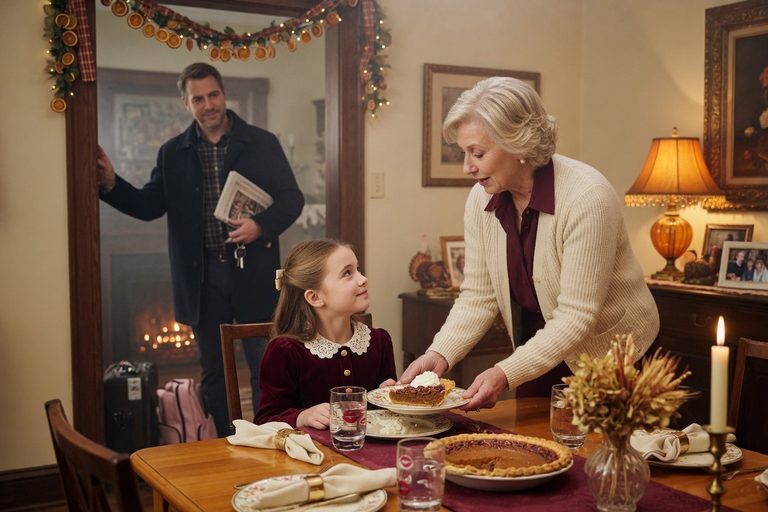
If you're starting from scratch, these are the usual ways parents divide the holiday. Each one has costs.
Alternating years. One parent has Christmas in even years, the other in odd years. This is described as the most common approach. The child gets a whole, unhurried holiday in one home. The downside is that each parent goes a full year without it, which can be hard on everyone the first time.
Splitting the day or the days. This often means a midday handover on Christmas Day. Or, because Christmas runs over several days, one parent takes Christmas Eve and the other takes Christmas Day. Your child sees both of you every year, but for less time each. A split also only works if the exchange itself stays calm.
Fixed holidays. The same parent always has the same holiday, for example one always has Christmas Eve and the other always has Christmas Day. This is often seen as best when parents live far apart, such as in different states, where a midday handover isn't realistic.
When you choose, think about your child's age. Younger children usually need shorter stretches away from either parent. Older children can handle longer gaps. Teens may want a say, and some would rather spend part of the holiday with friends. Asking for their input is fair. Making them choose between you is not.
One more thing parents often miss: in most plans, the holiday schedule overrides the regular weekly schedule, and the regular schedule starts again when the holiday ends. If your agreement doesn't say so, add it. When a judge sets a schedule, there's no one-size formula. In New York, for example, judges reportedly weigh work schedules, the child's age and school calendar, the distance between homes, and how the family has spent past holidays. Other states look at different factors, so check how your own state handles it.
A good plan can still come apart over small things. These are the usual trouble spots.
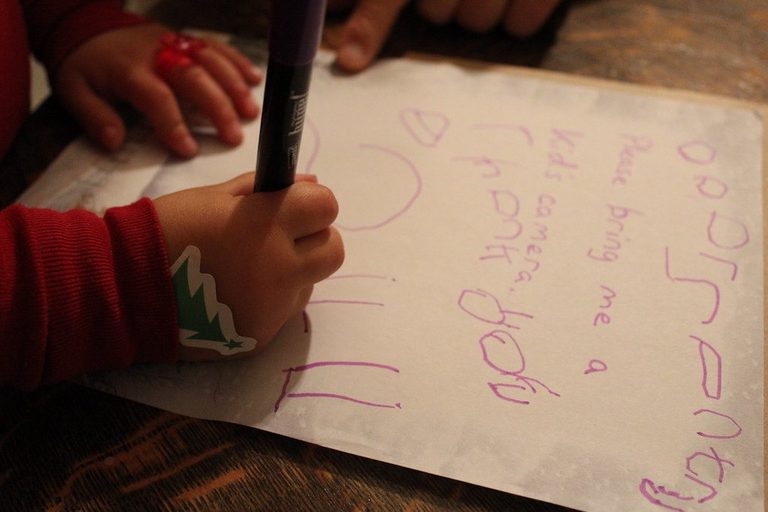
Gifts. Talk with the other parent about what your child is hoping for. Split the list so you don't double up, and agree on a spending limit. Then neither of you has to worry about losing your child's affection to a bigger box. Make room for things that cost nothing, like baking, decorating, crafts, or going to services together.
A gift for the other parent. Help your child pick out and wrap something small for their other parent. It tells them, without a word, that loving both of you is allowed.
Calls. Help your child call or video chat with the other parent at some point during the holiday. Agree on a rough time in advance so it doesn't interrupt dinner or catch anyone off guard.
Handovers. Be on time, be friendly, and keep it short. A handover is not the moment to bring up money, schedules, or old hurts.
Relatives. Brief your family before the day. No criticizing the other parent, no prying questions ("So what's it like at your dad's?"), and no comments meant for your child to overhear. Help your child keep in touch with grandparents and extended family on both sides through calls or cards. That kind of continuity helps a child feel secure. Respect the other parent's religious practices too, even if you don't share them.
New traditions. Don't try to rebuild last year's Christmas without a missing piece. Start something that belongs to your home now, like a new breakfast, a walk to see the lights, or a movie on the night your child comes back. Children often hold onto these new traditions tightly.
At some point you'll probably have hours on your own. Plan for them before they arrive. Spend the time with friends or family, volunteer, take a long walk, go to a service, or do anything that gets you out of an empty house. Look after the basics: sleep, eat properly, and set limits. Don't overspend trying to make up for the separation, and don't fill every minute of your time with your child out of guilt.
Your stress reaches your child even when they aren't with you. A rested parent who can say "I had a nice day, tell me about yours" makes the next handover easier for everyone. Don't spend the time apart dwelling on it. Put your energy into the time you do have.
If you have no court order, keep in mind that informal deals can't be enforced and may not hold. If talks stall, you have options:
The most important advice here: don't wait until December. Courts get flooded with holiday motions, and a late filing may not be heard in time. Many courts won't treat a holiday disagreement as an emergency. What counts as an emergency, and how quickly you can get a hearing, differs from state to state and sometimes from county to county.
If you already have an order, follow it, even if you think it's unfair. If the other parent refuses court-ordered holiday time, keep a record of it (dates, times, messages) and ask the court to enforce the order, if possible with a request for a quick hearing. If the holiday has already passed, courts may order make-up time or find a parent in contempt. If you want a different holiday schedule for future years, in many states you'll need to show a substantial change in circumstances that affects your child's welfare.
Rules on enforcement, emergencies, and changing an order differ from state to state, so check your state court's self-help website or speak with a local family lawyer. Whatever happens with the paperwork, your child should hear nothing about it on Christmas.
See how courts usually split Christmas Eve and Day between two homes, what to check in your order, and how to keep the day calm.
Plan a split Thanksgiving so your child eats well at both dinners, arrives calm at each handoff, and enjoys both homes without pressure.
Christmas morning in two homes: how to check your custody order, the four common ways families split the holiday, and how to keep the handoff calm.