Parenting Time & Schedules
Christmas Morning in Two Homes: Where Your Child Wakes Up
Christmas morning in two homes: how to check your custody order, the four common ways families split the holiday, and how to keep the handoff calm.
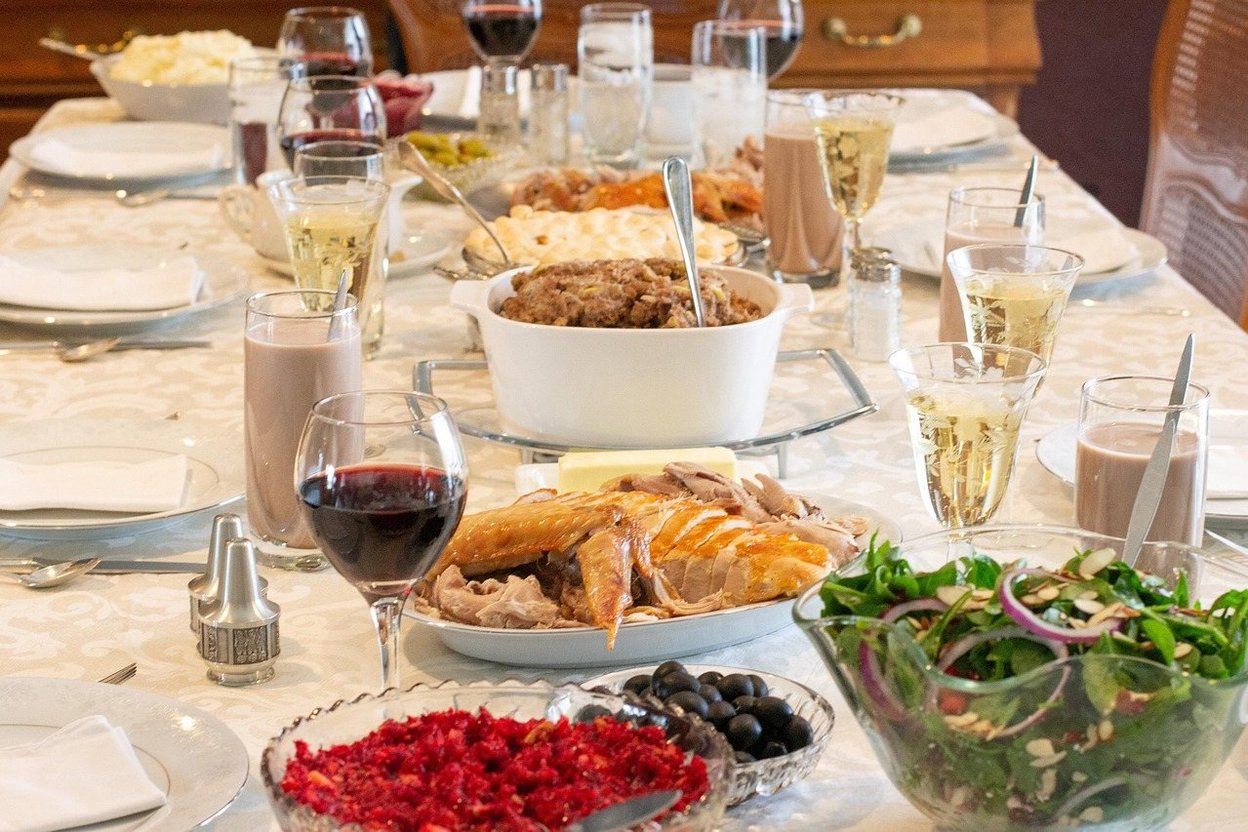
Plan a split Thanksgiving so your child eats well at both dinners, arrives calm at each handoff, and enjoys both homes without pressure.
Best for the Children Editorial·11 min read·November 11, 2026
You're looking at the calendar and you can already see how the day goes: turkey at one house around noon, then a drive, then a second table full of people who will all ask your child to "have a little more." You're worried about two things. Will your child be stuffed, starving, or upset by evening? And will the handoff in the middle go badly? Plan the day around your child, not the meals. Then two Thanksgivings can feel like a good day to them, not a test.
Thanksgiving 2026 falls on Thursday, November 26. It's always the fourth Thursday of November, a date Congress fixed in 1941. That's just over two weeks away. Build your holiday calendar now, so both homes are looking at the same plan.
Splitting the day between two homes is common, and it can work well. Your child needs three things from it: regular meals, a calm handoff, and clear permission to enjoy both homes. That last one matters more than parents tend to think. Children notice who is watching their plate. If a child eats a big meal at the first house and only picks at the second, that isn't a statement about either parent. Your child should never feel that eating is a way of showing loyalty.
Before you plan anything else, read what your parenting plan or court order actually says about Thanksgiving. Some give the whole day to one parent and the weekend to the other. Some split the day and the weekend evenly. Others treat Thursday through Sunday as one block that switches parents every year. Holiday wording, and how courts read it, differs from state to state and from order to order. If your plan's language is vague, check your own state's rules or ask a family law attorney before the day arrives.
When parents split the day itself, they usually divide it by hours, or by how close the two homes are to each other. Whatever your arrangement, put the details in writing in an email or a co-parenting app such as OurFamilyWizard:
Then be on time. On a day with two gatherings, a late drop-off pushes back the second home's whole dinner, and your child is the one who sits in the car feeling it. Last-minute changes made without agreement cause friction that children pick up on right away.
Flexibility helps when it costs your child nothing. If the other home's dinner is moving 30 minutes later and that doesn't hurt anyone, saying yes is usually the child-first choice. But as one family law firm puts it, "flexibility does not mean sacrificing your rights." A reasonable favor this year doesn't change what your order says.
If your order doesn't give you Thanksgiving Day this year, celebrate the day before or the day after. Your child will remember the meal and who they shared it with, not the date on the calendar. If your order names only "Thanksgiving Day," see how to mark the rest of the week.
The most common mistake is skipping breakfast or lunch to "save room." Dr. Jessica Lazerov, a pediatrician with Children's National Primary Care, advises against this because it often leads to overeating. She recommends a filling breakfast and plenty of water instead. Weill Cornell's pediatricians say the same about holidays in general: keep regular meals and snacks, and serve fiber and fluids early in the day, such as whole grains, fruit, oatmeal or a granola bar.
There isn't a rulebook for two full dinners in one day. In our view, the same principles apply even more strongly. A hungry child is cranky, and a stuffed child in a car seat is miserable. What you want is a child who arrives at each table neither starving nor full.
Here is what helps:
All of this matters more if your child already struggles with weight. About 1 in 5 American children and teens has obesity, according to the CDC. Two holiday tables in one day, each with its own desserts and soda, is a hard day for a child who is already inactive and drawn to the sweets.
What works is a plan made ahead of time, not a lecture at the table. Marlene Rafferty, a dietitian with Nemours Children's Health, suggests agreeing on expectations before the celebration: treats are fine, but second and third helpings are not. Deborah Boutwell, a dietitian at Cincinnati Children's, calls it a "one trip rule," where children ask before going back for more. Serve water instead of soda at both houses. Dr. Thomas Robinson, a Stanford pediatrics professor, says one indulgent night is fine as long as it isn't repeated the next day and through the season. He also urges families to bring back active traditions, such as touch football, a hike or a bike ride.
Keep the talk off your child's weight. Dr. Ellen Rome of Cleveland Clinic Children's advises parents to stop weight talk about themselves and about food, and to ask relatives ahead of time to do the same. Tell the other parent the plan too. It only works if both houses follow it.
Don't force bites, push them to try something, or insist they clean their plate. Children's Hospital of Richmond at VCU puts the split simply: parents decide what's served, and children decide what and how much to eat from it. That matters even more on a day when two sets of adults are watching.
Last, judge nutrition across the week, not at one meal, and certainly not at one holiday. A walk or an active game after eating also helps digestion, and it gives your child a break before the drive.

The handoff is the hinge of the day. Keep it short, warm and on time. This is not the moment to settle a disagreement about the December schedule. Your child is watching your face more closely than you know. Over the years we have heard children say plainly how much they dread standing between two parents at the door. The steps that calm a Sunday night handoff work on Thanksgiving too.
A few things make the middle of the day easier:
Then get ready for the relatives. Someone will comment on what your child is or isn't eating. Have a short, calm reply ready, such as "We don't pressure the kids to eat at meals," and steer the conversation to something else: the football game, a card game, or a walk outside.
Sometimes two gatherings are simply too much. The drive is long, the child is young, or the two households can't manage a smooth handoff. There are other ways to share the holiday:
Our guide to holiday schedules that work for kids in two homes walks through each option. Any change from what your order says should be agreed in writing. A permanent change may mean going back to your own state's process for changing the plan.
If you aren't with your child this year, don't sit alone wishing you were. Join a gathering with friends or family, in person or online, or take a short trip over the long weekend. You don't have to recreate your old routines without your child. Your child will be glad to hear you had a good day too, so they don't have to worry about you.
Photo by HeartlandMom on Pixabay.
Christmas morning in two homes: how to check your custody order, the four common ways families split the holiday, and how to keep the handoff calm.
Snow days and early dismissals can disrupt custody time. Learn the default rule, how to cover closures, and what to put in your plan.
Learn when a canceled visit earns makeup parenting time, how state rules differ, and how to ask in writing, plus what to do if the answer is no.