Putting Children First
When Your Child Comes Home Angry and Needs a Couple of Days to Settle
Learn how to give your child a calm landing after a hard handoff, when a day or two of settling is normal, and when to seek professional help.
When children move between two homes, predictable routines and rituals are one of the most powerful ways to give them a sense of security. A consistent
Best for the Children Editorial·4 min read·September 22, 2026
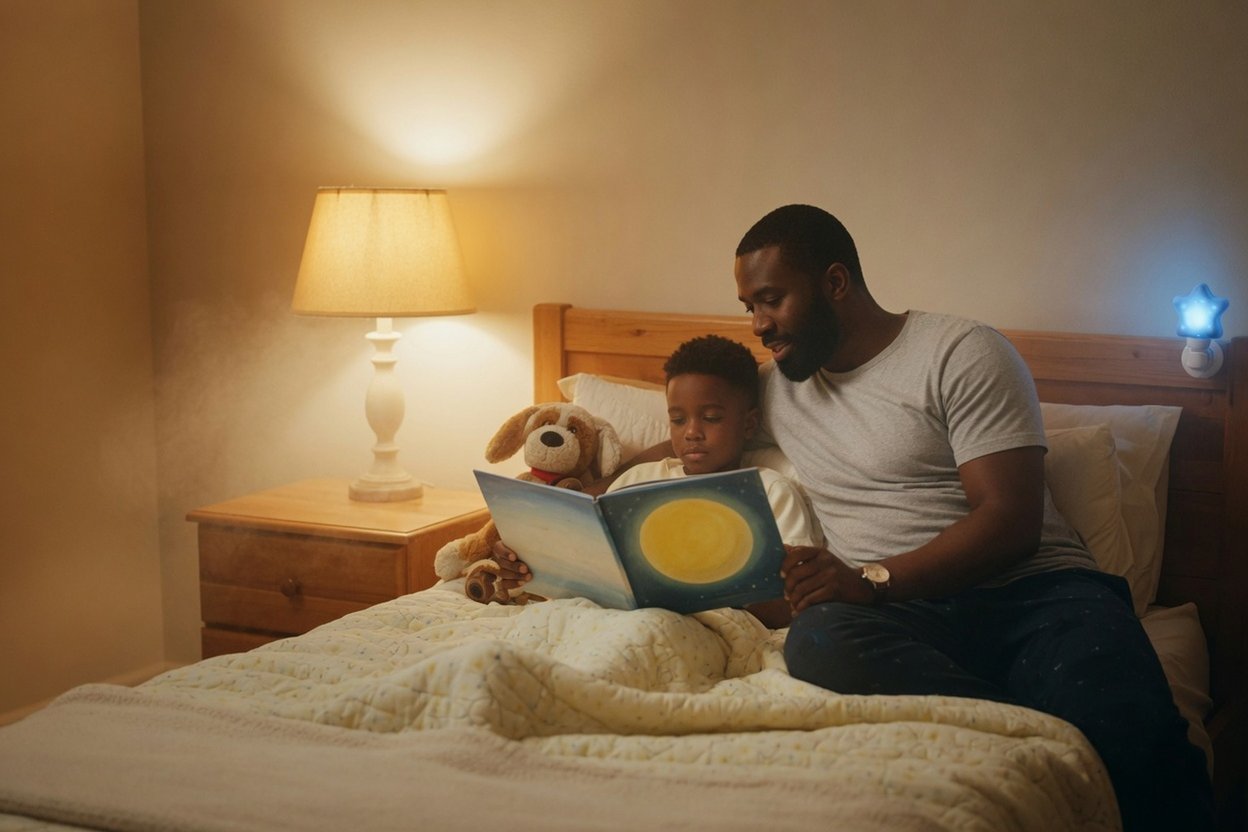
When children move between two homes, predictable routines and rituals are one of the most powerful ways to give them a sense of security. A consistent structure helps them feel safe, reduces anxiety, and allows them to focus on being kids instead of worrying about what comes next.
The goal is not identical homes, but enough predictability and warmth in both places that your child can relax and trust that their needs will be met. This article offers practical, age-aware strategies for building that security while honoring the reality of two households.
Children thrive on predictability. When they know what to expect, their nervous systems can settle. In two-home families, even small consistencies — the same bedtime story, a familiar morning routine, or knowing where their favorite toy lives — send the message: “You are safe. Your needs will be met here too.”
Routines do not need to be identical between homes. They need to be reliable within each home and include clear, warm transition rituals. This combination gives children the structure they need while honoring that they have two loving parents and two places to call home.
Start with the non-negotiables: sleep, meals, school prep, and hygiene. Then layer in small, repeatable rituals that signal “this is how we do things here.”
Share key routines with the other parent when possible. You do not need to match exactly, but knowing the basics helps everyone. A simple shared document or app note can reduce confusion without requiring perfect alignment.
Transitions are often the hardest part. A consistent, warm goodbye and hello routine lowers anxiety for everyone.
Life happens — illness, work changes, holidays, or high-conflict periods can throw everything off. When that occurs, name it for your child and return to the anchor routines as quickly as possible.
A calm parent who says, “This week is different because of the holiday, but our bedtime story is still happening” models resilience and keeps the child grounded.
Pro Tip: Create small, predictable rituals for hellos and goodbyes. A special snack, a consistent phrase, or a short walk together can lower anxiety for everyone. Pro Tip: Keep a simple “two-home” checklist with your child so they can be involved in remembering what travels with them. This builds competence and reduces last-minute stress. Pro Tip: If your child is struggling with transitions, shorten the exchange window and add a buffer activity they enjoy (a favorite book in the car, a quick stop for ice cream). The goal is connection, not efficiency.Related reading: How to Make the Most of Short Visits and Weekend Parenting Time · Age-by-Age: Helping Children Cope With Two Homes · Supporting an Autistic Child Through Separation and Two Homes
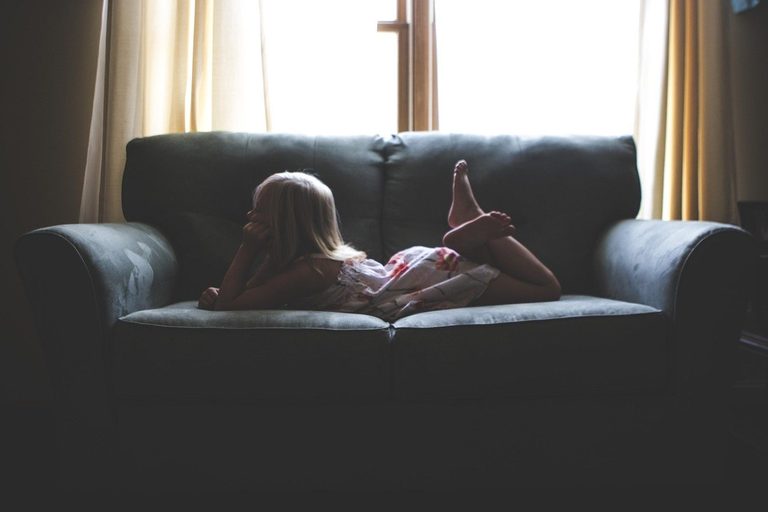
Learn how to give your child a calm landing after a hard handoff, when a day or two of settling is normal, and when to seek professional help.
The first report card of the year can start a blame game between homes. How to share school information, set up homework in two houses, and keep grades from becoming evidence.
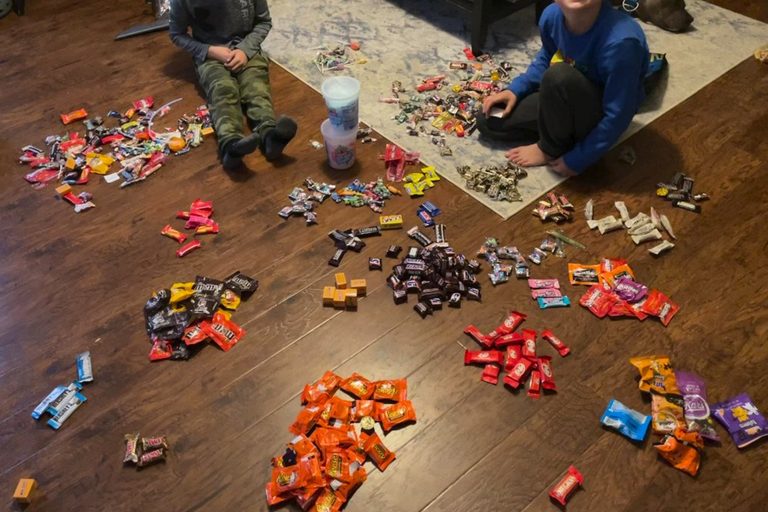
Learn what to tell your child when each home has different candy rules, plus shared safety steps and a plan to agree on with your co-parent.