
Putting Children First
Why kids may rate one parent higher after a divorce
Why kids often prefer one parent after a divorce, when it signals something more serious, and how to keep your child out of the middle.
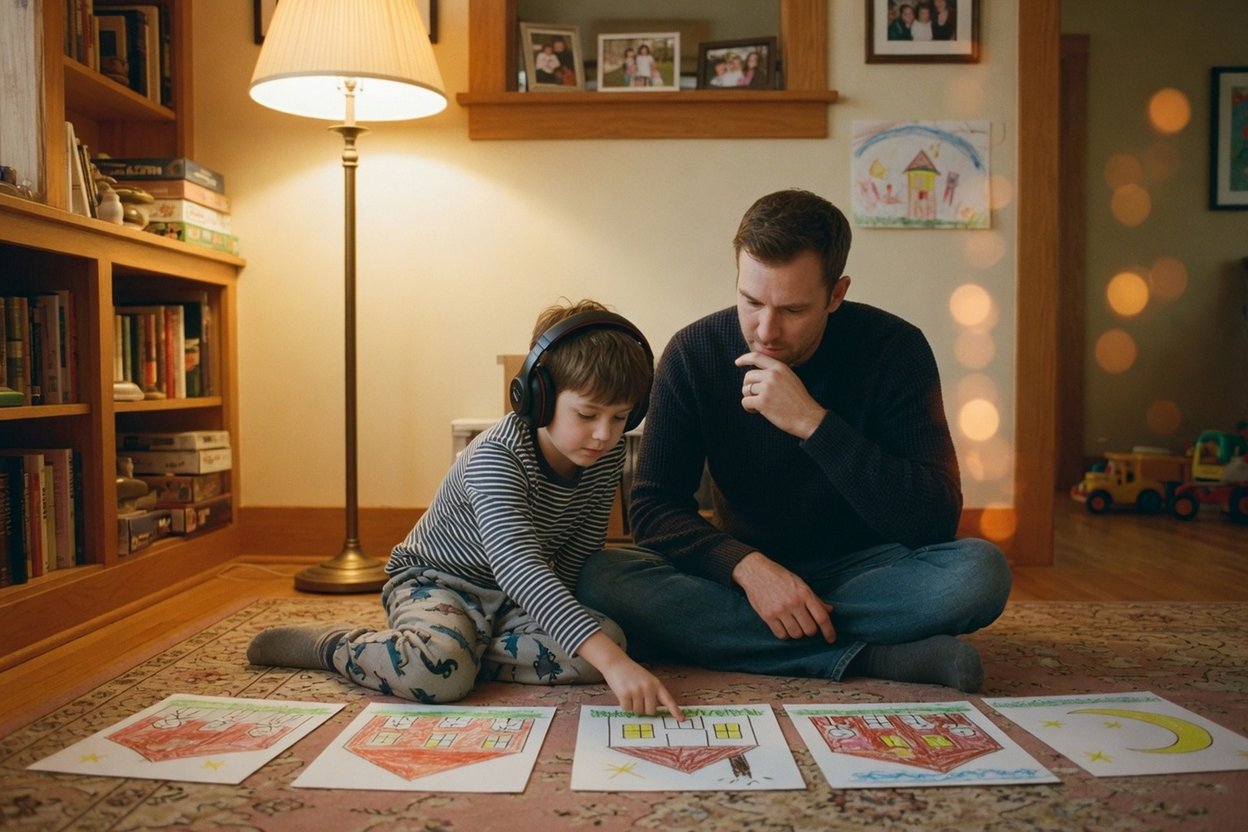
You already understand their rhythms, their sensitivities, their preferred ways of doing things, and the small details that help them feel settled. That
Best for the Children Editorial·6 min read·September 1, 2026
You already understand their rhythms, their sensitivities, their preferred ways of doing things, and the small details that help them feel settled. That knowledge does not disappear when a family separates. In many ways, it becomes even more important.
At the same time, separation introduces real changes that even a well-understood child may find difficult. Two homes, transitions, different physical spaces, and shifts in routine can create discomfort even when both parents are attentive and capable. The work is not to pretend the changes are insignificant. The work is to use what you already know about your child to reduce unnecessary stress while helping them adjust to what has changed.
Most parents of autistic children have already spent years learning what helps and what overwhelms their child. You likely know:
This existing knowledge is a strength. It means that creating a reasonable level of consistency across two homes is often more realistic than it first appears. You are not starting from zero. You are applying patterns you already understand in a new family structure.
Even when both parents know the child well, separation creates conditions that can increase stress:
An autistic child may not always express this discomfort in clear language. It may appear as increased meltdowns, shutdowns, sleep disruption, irritability, clinging, or a temporary step backward in skills they had previously mastered. These responses are often signals that the child is working hard to adapt.
Acknowledging this discomfort does not mean parents have failed. It means the child is responding to significant change.
Separation itself is already a major change. Layering too many additional unfamiliar experiences on top of it can quickly become overwhelming.
Common sources of extra newness include:
Whenever possible, slow the pace of non-essential change. Keep familiar stores, routes, and routines when you can. Be thoughtful about the timing of new people in the child’s life. Observe how your child responds, and adjust when you see signs of overload.
In the early weeks and months after separation, familiar activities often provide more security than new experiences. When everything else feels different, repeating known and comfortable patterns can help your child feel grounded.
Examples include:
This is not about avoiding all growth. It is about recognizing that the child is already absorbing a great deal of change. Familiar activities give their nervous system something predictable to hold onto.
Small adjustments to ordinary outings can reduce stress significantly.
Grocery trips
Other routine outings
These adjustments use knowledge you most likely already have about your child.
Transitions
Use goodbye and hello routines that are already familiar whenever possible. The more predictable the sequence, the less energy the child has to spend interpreting what comes next.
Comfort and regulation tools
Items that already help your child—noise-canceling headphones, a preferred blanket, a familiar snack, a weighted item, or a favorite quiet activity—can travel between homes.
Language
Clear, concrete explanations usually work better than abstract ones. A straightforward description of the living arrangement, repeated as needed, is often more helpful than detailed emotional discussions the child may not be ready for.
If you have both autistic and non-autistic children, it is reasonable to allow different needs during transitions and settling-in time. One child may be ready to talk and engage quickly, while another needs quiet and lower demands first. Meeting those different needs is not favoritism. It is responsive parenting.
Complete sameness between households is rarely necessary or realistic. What helps most is reducing open conflict about differences and protecting the child from adult tension. When parents can share basic information about what already helps the child—without turning it into a battle over parenting styles—the child usually benefits.
Even when cooperation is limited, you can still apply what you know inside your own home. Consistency in one stable environment still matters.
Because you know your child, you are also in the best position to notice when discomfort is increasing. Signs may include more frequent meltdowns, greater difficulty with transitions, sleep problems, or heightened anxiety. These signals deserve attention. Sometimes small adjustments in routine or expectations are enough. Sometimes additional support from a professional who understands both autism and family separation is warranted.
You already know a great deal about what helps your child feel secure. Separation does not erase that knowledge. It asks you to apply it in a new context—while also recognizing that the changes themselves can be hard for your child.
The most helpful stance is both practical and compassionate: use what you know, reduce unnecessary newness where you can, lean on familiar activities during the hardest adjustment period, and remain attentive to how your child is coping. That combination is one of the clearest ways to put them first.
Educational only — not legal or clinical advice.
Related reading: Building Security and Routines When Your Child Splits Time · Age-by-Age: Helping Children Cope With Two Homes · How Play Helps Children Process Separation and Living in Two Homes
Why kids often prefer one parent after a divorce, when it signals something more serious, and how to keep your child out of the middle.
Learn how to give your child a calm landing after a hard handoff, when a day or two of settling is normal, and when to seek professional help.
The first report card of the year can start a blame game between homes. How to share school information, set up homework in two houses, and keep grades from becoming evidence.